After the Storm: How to Handle Roof Repairs Without the High-Pressure Sales Pitch
The wind has died down, the last of the afternoon showers have passed, and the sun is finally breaking through. But for many Orlando homeowners, the end of a storm is the beginning of a new kind of stress. Before you’ve even had a chance to survey your property, there’s a knock at the door. It’s a roofer—or someone claiming to be one—with a dire warning and a “limited-time offer” that feels more like an ultimatum.
Dealing with potential storm damage is stressful enough without feeling cornered into a hasty decision. After a hurricane or severe weather event, it’s common for out-of-town “storm chasers” to flood neighborhoods, using aggressive tactics to pressure homeowners into signing contracts. At Denali Roofing, we believe your peace of mind is just as important as the roof over your head. This guide is designed to empower you with the knowledge to identify legitimate damage, spot the red flags of a bad deal, and choose a trusted partner who values transparency over a quick sale.
Step 1: Safely Assess Your Roof from the Ground
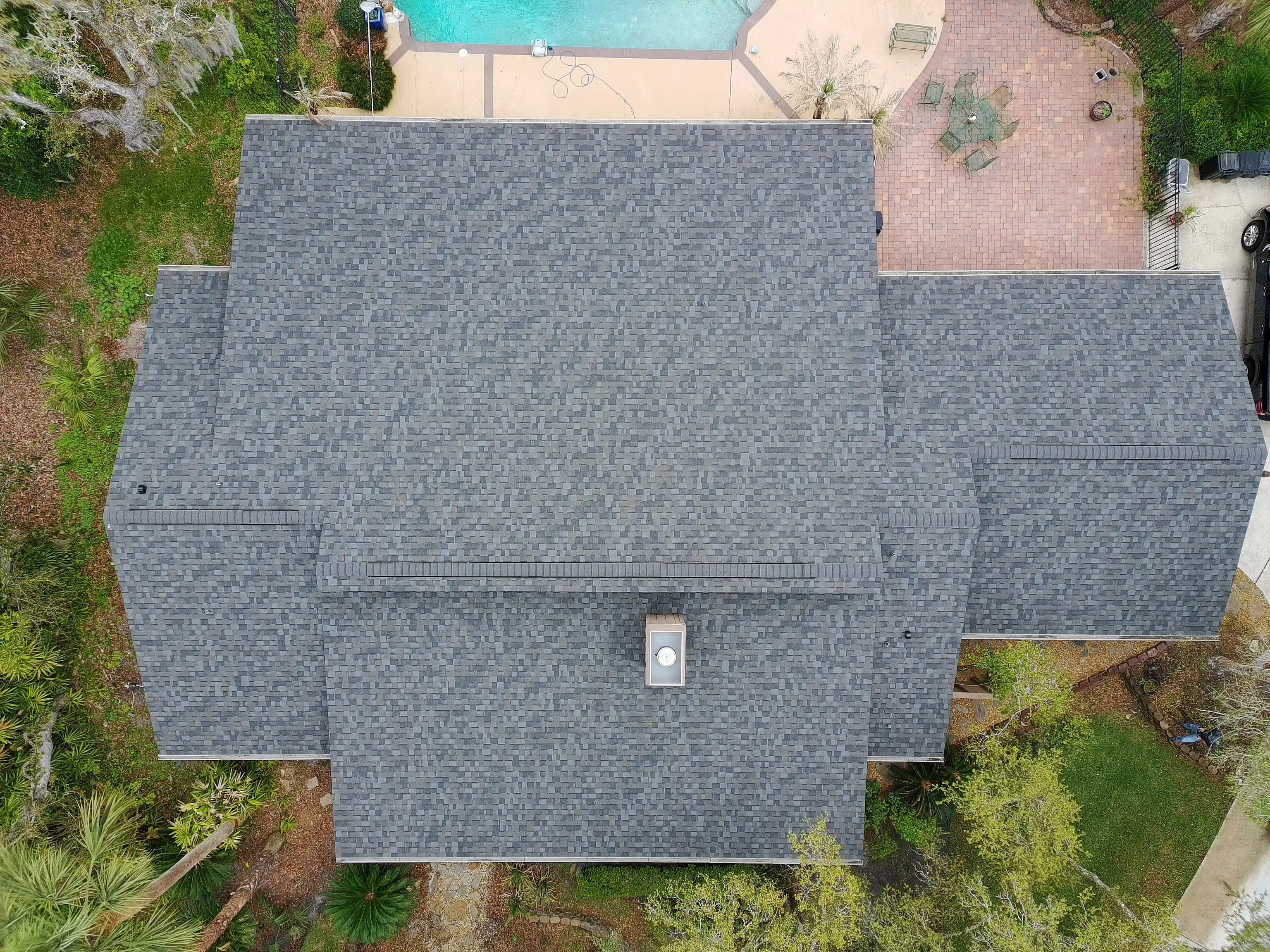
Your first instinct might be to get a closer look, but climbing onto a potentially compromised roof is dangerous. The good news is that you can spot many common signs of roof damage after a hurricane right from the safety of your yard.
Take a walk around your property and look for:
- Missing or Lifted Shingles: Are there obvious bare patches on your roof? Do any shingles look curled, cracked, or lifted at the edges?
- Granules in Your Gutters: Check your downspouts for an accumulation of black, sand-like granules. These protect your shingles from the sun, and significant loss can shorten your roof's lifespan.
- Dented or Damaged Vents and Flashing: Look at the metal components of your roof. Dents from hail or debris can compromise their integrity.
- Visible Debris: Tree limbs or other debris on your roof can cause hidden damage like cracks or punctures.
Inside your home, check your attic and ceilings for any new water spots or signs of leaks. Documenting what you find with photos can be incredibly helpful later, especially when dealing with an insurance claim. If you see any of these signs, the next step is to call a professional for a thorough inspection.
Spotting the Red Flags: How to Avoid High-Pressure Tactics
A trustworthy roofer's goal is to provide solutions, not to create pressure. Unfortunately, storm chasers often rely on creating a sense of panic to close a deal. Being able to recognize these tactics is your best defense.
Be wary of any contractor who:
- Pressures You to Sign Immediately: A reputable company will provide a detailed quote and give you time to review it. Phrases like "this price is only good for today" are a major red flag.
- Offers to Cover Your Deductible: While it sounds tempting, this is a form of insurance fraud. A professional contractor will work with your insurance company, but they won't engage in illegal practices.
- Demands a Large Upfront Payment in Cash: A reasonable deposit is standard, but demanding a huge portion of the cost upfront, especially in cash, can be a sign that the contractor doesn't plan to finish the job.
- Lacks Proper Credentials: Ask for proof of licensing and insurance. A legitimate company will have no problem providing this. You should also look for a company with a permanent, local address and a history of working in the community.
- Provides a Vague or Incomplete Contract: Your contract should detail the full scope of work, materials to be used, total cost, and a projected timeline. Don't sign anything that leaves important details blank.
Making an Informed Choice: Repair vs. Full Replacement
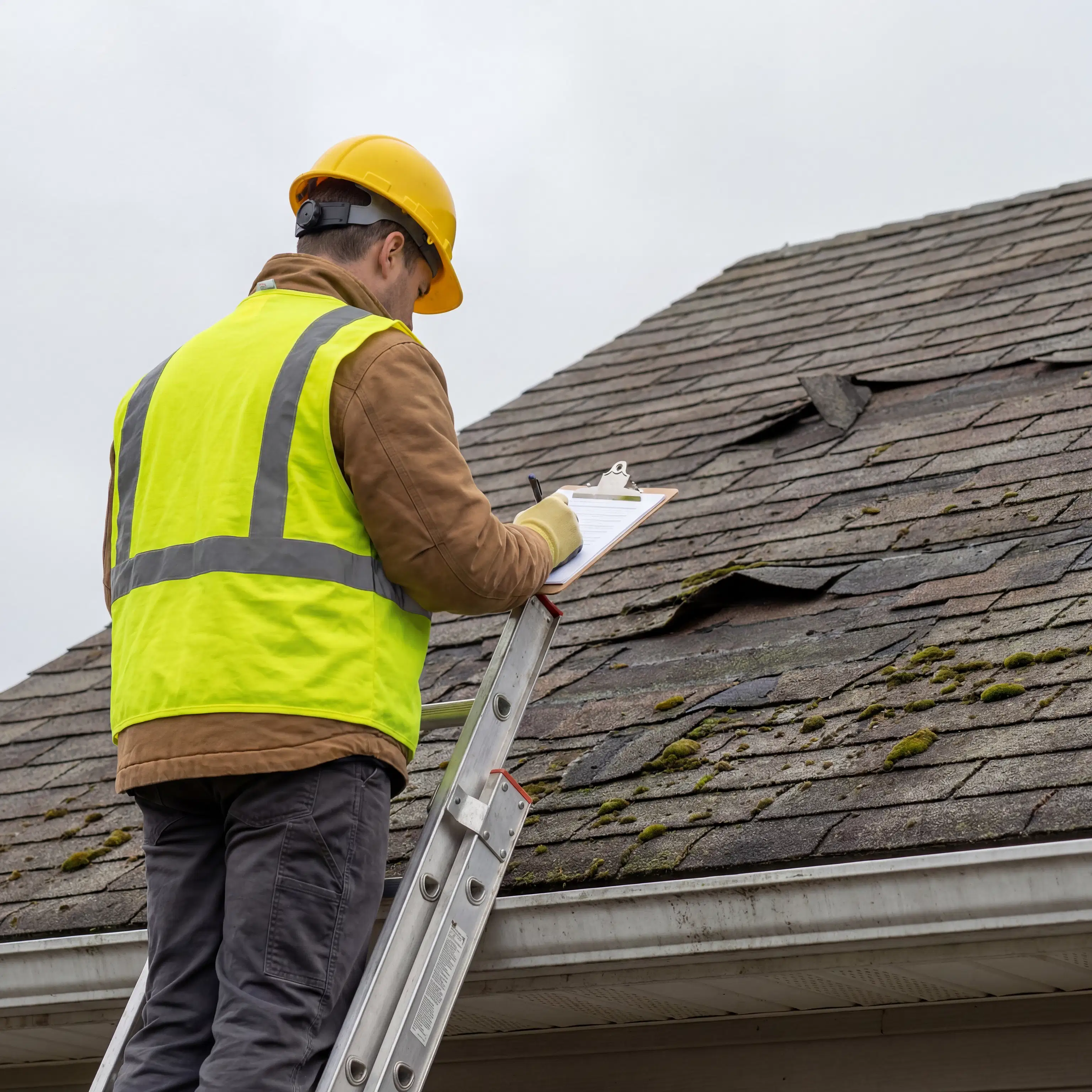
One of the most important questions after discovering storm damage is whether you need a targeted roof damage repair or a full roof replacement. An honest contractor won't push you toward the most expensive option. Instead, they will present a clear assessment based on value, cost, and longevity.
Here’s what a professional evaluation should consider:
- The Age of Your Roof: If your roof is nearing the end of its expected lifespan, a full replacement might be more cost-effective in the long run than making extensive repairs.
- The Extent of the Damage: A few missing shingles from a strong gust of wind can often be handled with a simple repair. However, widespread damage affecting a large percentage of your roof often warrants a replacement to ensure its structural integrity.
- Long-Term Value: A good roofer will explain the pros and cons of each path. A repair might be a lower upfront cost, but a replacement could offer better long-term protection, improved energy efficiency, and a stronger warranty. The choice should always be yours, based on clear information, not a sales pitch.
Your Home, Your Decision
Navigating the aftermath of a storm is challenging, but you should never feel pressured when it comes to protecting your home. The key is to take a deep breath, assess the situation from the ground, know the red flags of aggressive sales tactics, and partner with a local, reputable company that prioritizes your best interests.
A trustworthy roofer provides options, not ultimatums. They explain the value behind their recommendations and respect your right to make an informed decision for your family and your budget.
If your home has been affected by recent weather, don't face the repair process alone. Contact Denali Roofing for a transparent, no-pressure roof inspection and a clear assessment of your options. We are committed to helping our Orlando neighbors protect their homes with quality workmanship and genuine peace of mind. Whether you need residential roofing services or specific repairs for storm and wind damage, we're here to help.