
Fixing Interior Water Damage from Summer Storm Leaks
It usually happens right after that predictable 3 PM Downpour. You are walking through your living room, look up, and notice a spreading brown stain on the ceiling. For homeowners in Orlando, summer storms bring much-needed relief from the heat, but they also test the limits of our roofs. When heavy rain finds its way inside, it can cause significant interior water damage, leading to ruined drywall, compromised insulation, and even mold growth if left unchecked.
If you are wondering how to fix ceiling water spots after heavy rain, the first step is realizing that the spot is just a symptom. The real issue lies above. In this guide, we will walk you through how to identify the source of the water, the immediate steps you should take to protect your home, and how to ensure both your roof and your interior are fully restored.
Tracing the Source of the Water
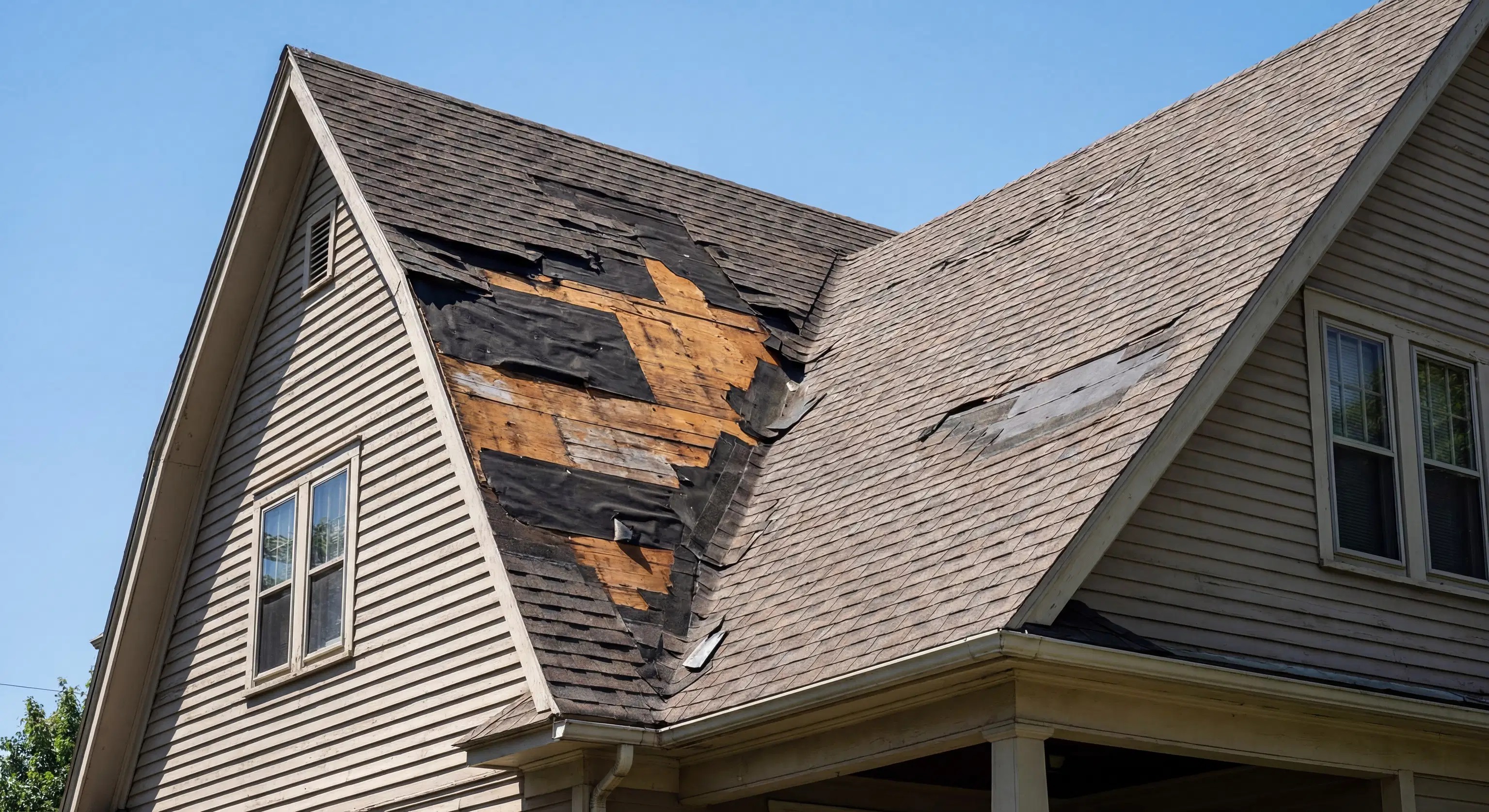
Water is notoriously tricky. The spot where it drips from your ceiling is rarely directly beneath the actual hole in your roof. Water can travel along rafters, pipes, and insulation before finally pooling enough to soak through your drywall.
One of the most common culprits we see is compromised flashing around roof penetrations. If you have natural light features in your home, identifying the source of a skylight leak is a critical first step. The seals around these fixtures can degrade under the intense Florida sun, allowing driving rain to push through during severe weather. If you suspect this is the issue, professional skylight repair is essential to reseal the barrier and prevent future intrusion.
Another frequent issue is wind-lifted or missing shingles. Even a minor roof leak can introduce gallons of water into your attic over the course of a single storm. It is important to look for signs of hidden water damage in the attic, such as damp insulation, dark streaks on the wooden decking, or a musty smell. Catching these signs early can save you from a much larger restoration project down the road.
Immediate Action: Stopping the Spread
When water is actively entering your home, time is of the essence. The longer moisture sits in your drywall and insulation, the more extensive the damage becomes. Your immediate priority should be protecting your belongings and mitigating further water entry.
Move furniture away from the drip zone and place a bucket underneath to catch the water. If the ceiling drywall is bulging, you can carefully poke a small hole in the center of the bulge with a screwdriver. This allows the water to drain smoothly into your bucket rather than pooling until the entire ceiling collapses.
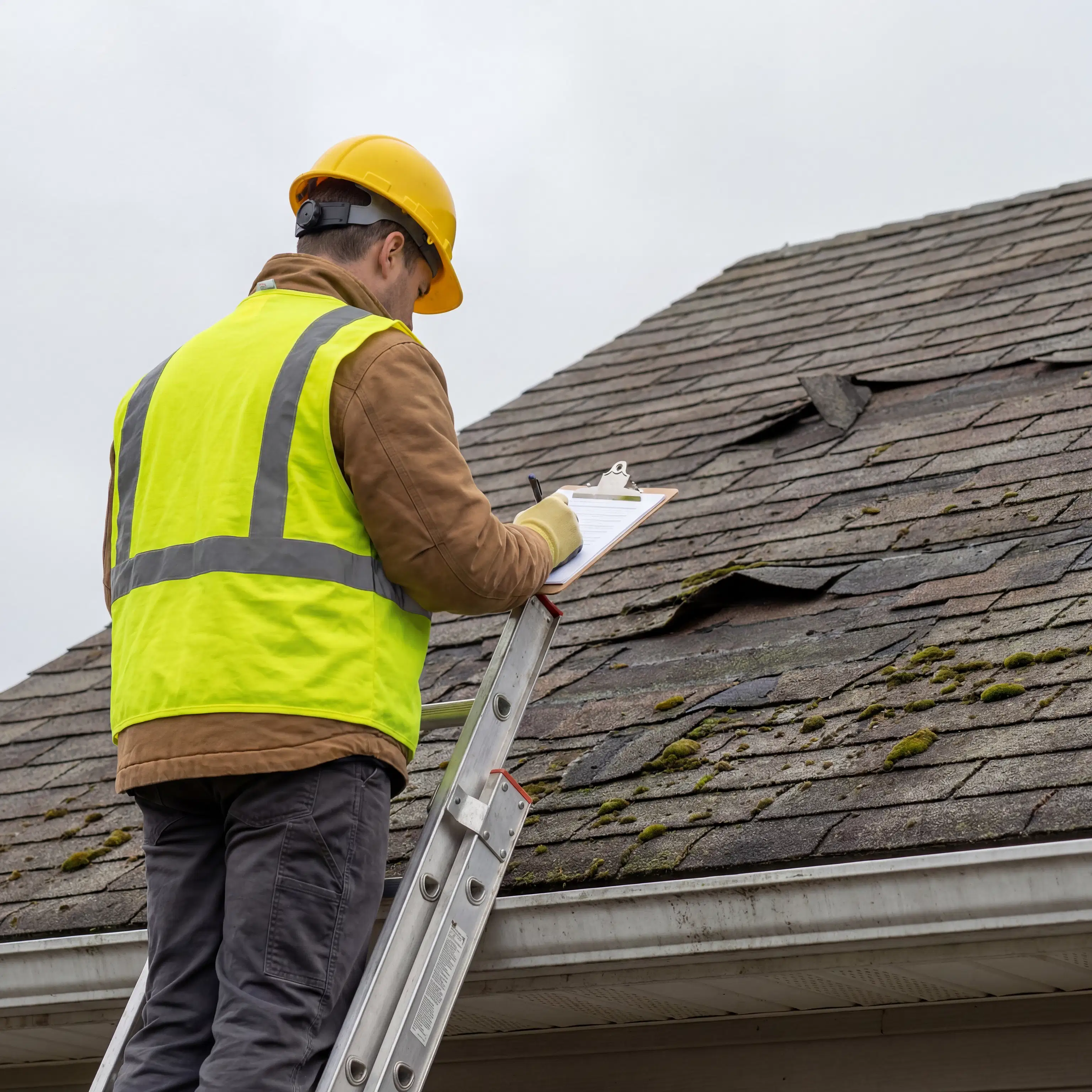
Once the interior is temporarily secured, you need to address the roof. Getting professional emergency roofing assistance is crucial. Emergency roof tarping and interior repair coordination will stop the bleeding, so to speak, keeping your home dry while a permanent solution is planned. Attempting to climb onto a wet, slippery roof yourself is incredibly dangerous, so always rely on trained professionals with the right safety equipment.
Comprehensive Restoration: Fixing the Roof and the Room
One of the biggest frustrations homeowners face after a storm is coordinating multiple contractors. Hiring one company to fix the roof and another to patch the ceiling can lead to scheduling nightmares and miscommunications.
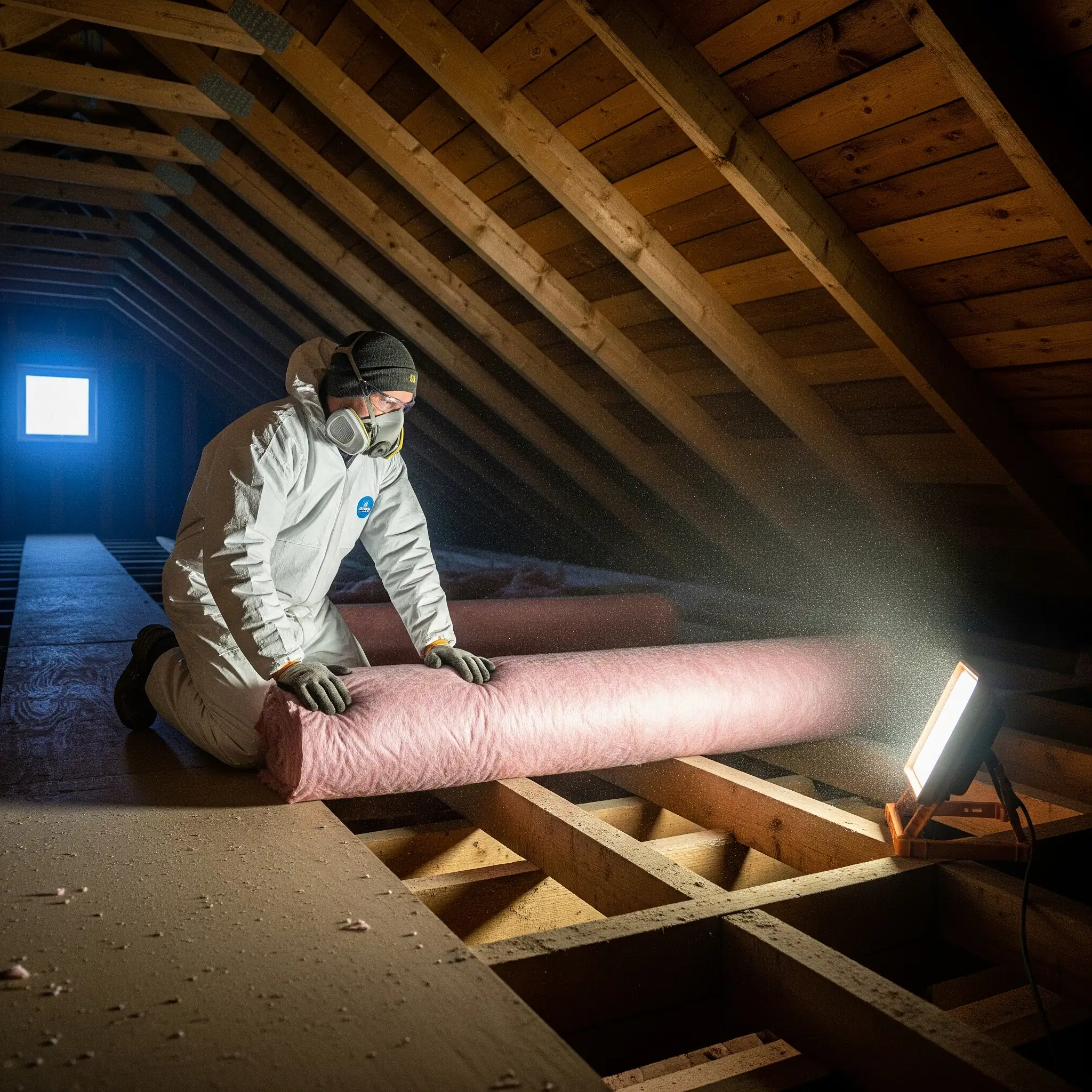
At Denali Roofing, we understand that a leaking roof does not just damage your shingles; it disrupts your life. That is why we provide comprehensive interior repair solutions alongside our exterior work. When a leak has already caused damage inside the house, our team coordinates the roof repair with the interior restoration to make sure everything is fixed properly and efficiently. You do not have to juggle different schedules or worry about pointing fingers if something goes wrong.
When we assess storm damage, our goal is to inform you of your options and let you make the decision without pressure. We clearly lay out the value, costs, and longevity of the solutions presented. Whether you need a minor patch or a more significant repair to meet current wind mitigation standards, you will have all the information you need to make the best choice for your home. Navigating insurance claims can also be a headache, but having a detailed, honest assessment makes the process much smoother.
Protecting Your Home for the Future
The best way to handle interior water damage is to prevent it from happening in the first place. The intense weather in CFL takes a toll on exterior materials, which is why proactive maintenance is so valuable. We highly recommend taking advantage of a complimentary yearly inspection. Having a professional check your roof and ensure your gutters are clear of debris allows us to catch minor issues—like a cracked seal or a loose shingle—before they turn into major interior leaks.
If you are dealing with the aftermath of a storm in the Tri-County Area, do not wait for the next round of rain to test your ceiling. Reach out to Denali Roofing today. We are here to restore your roof, repair your interior, and give you back your peace of mind.