How Proper Attic Ventilation Prevents Roof Deterioration
When you think about protecting your home from the elements, your mind probably jumps straight to the shingles overhead. However, one of the most critical components of a healthy, long-lasting roofing system actually lies just beneath the surface. For homeowners in Chuluota and the surrounding communities, the intense sunshine is a daily reality. While we love the beautiful weather, that constant solar baking can take a serious toll on our homes if they aren't properly equipped to handle it.
Proper attic venting is the unsung hero of your home's structural integrity. Without it, your attic essentially turns into an oven. This trapped, superheated air doesn't just make your air conditioner work overtime; it actively damages the materials protecting your family. At Denali Roofing, we see the consequences of poor airflow every day. We believe in educating our customers so they can make informed decisions about their properties, ensuring they get the maximum value and longevity out of their investments. Let's dive into the science of airflow and explore exactly how a well-ventilated attic protects your home from premature deterioration.
The Hidden Threat: Preventing Shingle Blistering from Attic Heat
You might be wondering how air inside your house affects the exterior of your roof. The answer comes down to basic thermodynamics. During the peak of the day, the sun beats down on your home, heating up the exterior materials. If your attic lacks proper exhaust vents, that heat has nowhere to go. It builds up rapidly, often reaching temperatures upwards of 150 degrees Fahrenheit.
This extreme, stagnant heat essentially bakes your asphalt shingles from the inside out. One of the most common issues we encounter during a standard roof inspection is shingle blistering. Blisters look like small, raised bumps or pockmarks on the surface of your shingles. They occur when moisture or gas trapped inside the shingle expands due to excessive heat from the attic below. Eventually, these blisters pop, dislodging the protective granules that shield your roof from UV rays.
Once those granules are gone, the shingle degrades rapidly, becoming brittle and susceptible to cracking. By ensuring a steady flow of fresh air through your attic space, you regulate the underlying temperature. This simple airflow dynamic is the absolute best method for preventing shingle blistering from attic heat, ultimately saving you from needing premature roof repairs long before the manufacturer's warranty expires.
Recognizing the Signs of Poor Attic Roof Ventilation
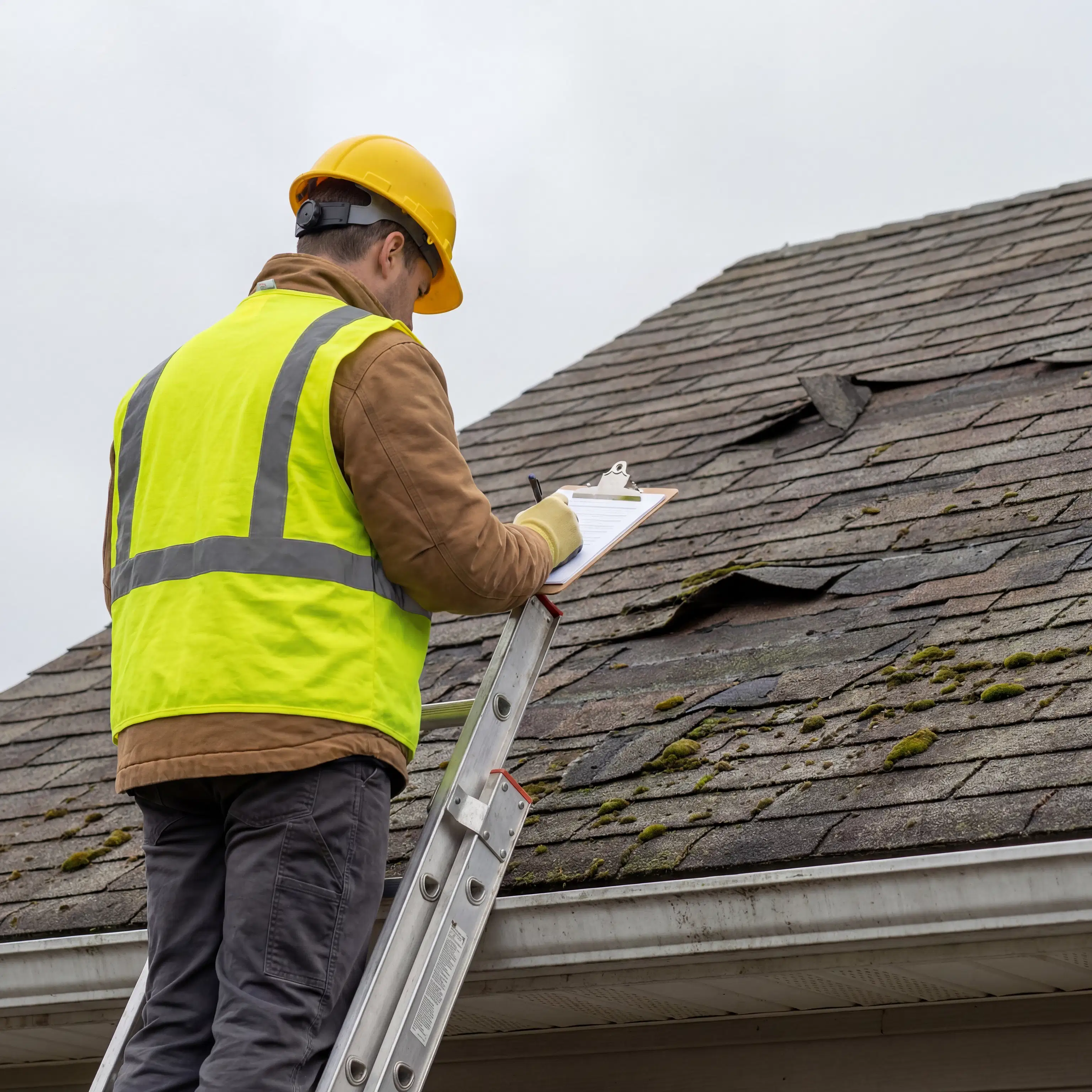
Because the attic is usually out of sight, it's often out of mind. Many homeowners only realize there is a problem when a major leak occurs or when they are getting quotes for a full roof replacement. However, your home will usually give you warning signs if the airflow is restricted or unbalanced.
One of the most obvious signs of poor attic roof ventilation is a sudden, unexplained spike in your summer cooling costs. If your air conditioner is running non-stop but the house still feels warm, trapped attic heat radiating down through your ceilings is a likely culprit.
Another major red flag appears during our daily summer downpours. The Rainy Season brings high humidity. If moisture from the humid air, or from everyday household activities like cooking and showering, gets trapped in a poorly ventilated attic, it creates a breeding ground for mold and mildew. You might notice a musty smell, or worse, see condensation forming on the underside of the roof decking. Over time, this moisture causes the wood decking to rot and warp. If you notice your roofline looks wavy or sagging from the outside, it is highly likely that moisture damage has compromised the structural integrity of the wood.
At Denali Roofing, we emphasize proactive care. That is why we offer a complimentary yearly inspection to our community. Having an expert regularly assess your attic space and exterior materials can catch these subtle signs of poor ventilation before they evolve into costly structural failures.
How Attic Ventilation Affects Roof Lifespan and Resilience
Understanding how attic ventilation affects roof lifespan is crucial for protecting your investment. A roofing system is designed to work as a cohesive unit. It relies on a balanced intake of cool, fresh air at the eaves and an exhaust of hot, stale air near the peak. When this system is balanced, the temperature of the roof decking remains close to the ambient outside temperature.
This temperature regulation keeps your roofing materials flexible and resilient. As we prepare for Hurricane Season each year, it is important to note that shingles need to maintain their pliability to resist high winds. Brittle, heat-damaged shingles are far more likely to snap, tear, or blow off entirely when subjected to severe weather. Furthermore, good ventilation prevents the buildup of dangerous moisture that weakens the decking and the nails holding your roof together.
The roofing industry has seen incredible advancements recently, from climate-resilient building codes to eco-friendly, cool roof technologies that reflect UV rays. But no matter how advanced the surface materials are, they will underperform if the foundation below them is rotting from trapped moisture and heat.
When you start comparing options for upgrades or storm damage repairs, a reputable contractor will always assess your ventilation first. We believe in providing clear, transparent options without high-pressure sales tactics. We will show you the exact value and long-term cost savings of upgrading your ventilation system, ensuring you have all the information needed to make the best choice for your property.
Secure Your Home's Future with Proactive Care
Your roof is your home's first line of defense against the elements, and proper attic venting is the key to keeping that defense strong year after year. By regulating temperatures, managing moisture, and preventing material degradation, a well-breathing attic significantly extends the life of your entire roofing system.
Don't wait for curled shingles, wood rot, or a sudden leak to tell you there is a problem hidden above your ceiling. Routine maintenance and professional evaluations are the most cost-effective ways to protect your Central Florida home. Whether you suspect your current ventilation is inadequate or you simply want the peace of mind that comes from a professional evaluation, Denali Roofing is here to help.
Reach out to our team today via our contact page to schedule your complimentary roof inspection. We will provide a thorough, honest assessment of your home's airflow and work with you to develop a strategy that maximizes the lifespan of your roof, lowers your energy bills, and keeps your family safe and comfortable in every season.