
How Seamless Gutters Protect Your Roof Edges
A roof does more than shed rain—it must also move that water safely away from vulnerable edges. When gutters leak, overflow, or pull away from the house, water can soak the fascia, reach the roof deck, stain soffits, and collect near the foundation.
For homeowners across Central Florida, this drainage system receives a serious workout. A typical 3 p.m. downpour can send hundreds of gallons off a residential roof in a short period. Properly designed gutter installation helps control that runoff while protecting the roof edge, exterior walls, landscaping, and lanai. Here is how seamless gutters work, why sizing matters, and which warning signs deserve attention.
Why Roof Edges Are Vulnerable to Water Damage
The lower edge of a sloped roof includes several components working together: the roof covering, underlayment, drip edge, roof decking, fascia, soffit, and gutter. Water should travel over the roofing material and drip edge before entering the gutter. If the gutter cannot carry it away, moisture may move where it does not belong.
Common problems include:
- Fascia rot: Repeated wetting can soften wood fascia and weaken the gutter fasteners attached to it.
- Roof-deck deterioration: Water may work behind damaged flashing or beneath the first course of shingles.
- Soffit staining and decay: Overflow can curl under the gutter and saturate the enclosed area below the roof edge.
- Interior leaks: Moisture entering at an eave can travel along framing before appearing on a ceiling or wall.
- Foundation and landscape erosion: Uncontrolled runoff can wash out mulch, damage plants, and pool beside the home.
Preventing fascia board rot and roof leaks therefore requires more than attaching a trough beneath the shingles. The gutters, drip edge, downspouts, pitch, and discharge points need to function as one drainage system.
How Seamless Gutters Improve Roof-Edge Protection
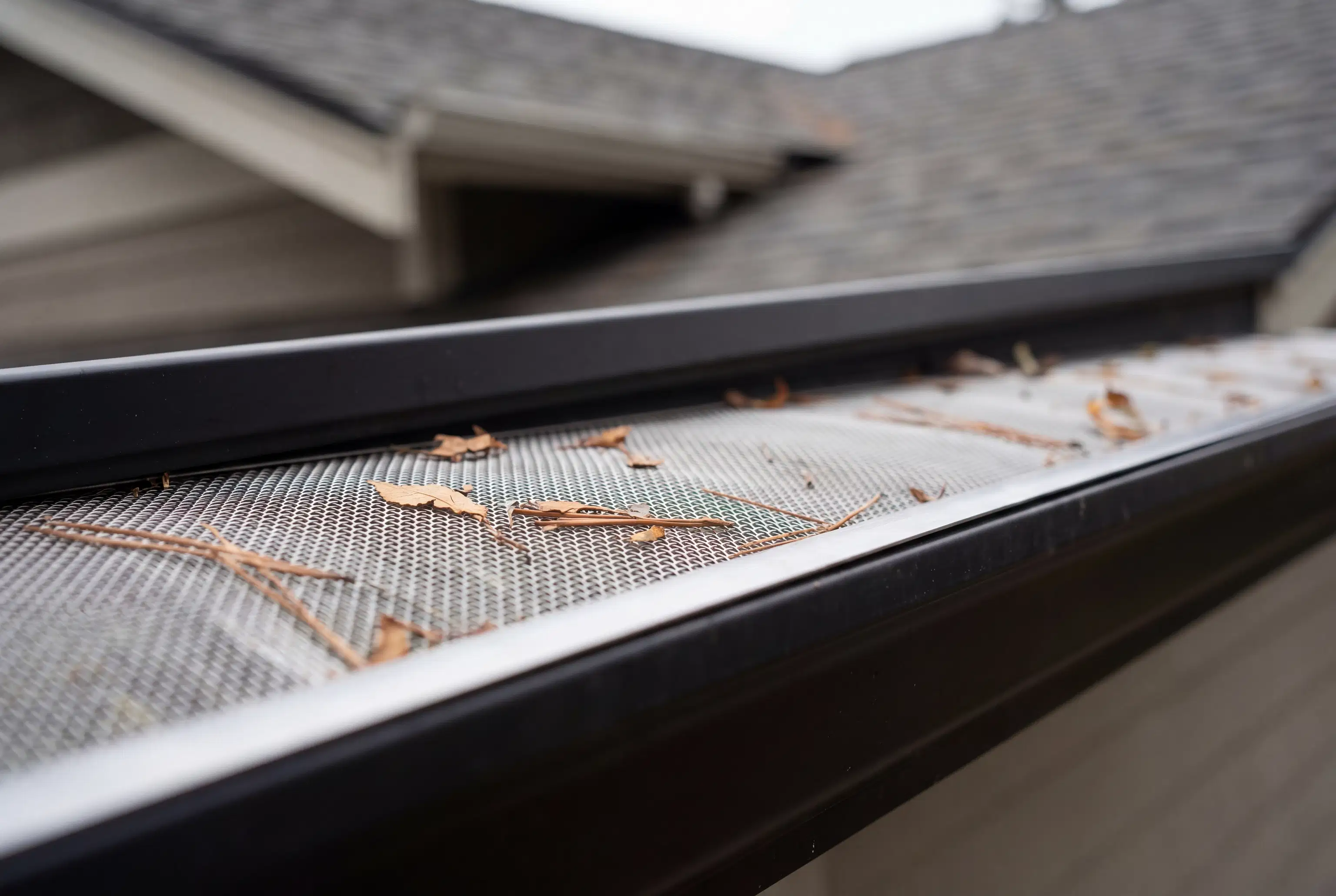
Traditional sectional gutters are assembled from multiple pieces. Every joint creates another point where sealant can age, separate, or begin leaking. Seamless gutters are formed on-site in long, continuous runs fitted to the home. Corners, end caps, and downspout outlets still require joints, but eliminating intermediate seams reduces potential leak points.
That matters because a small leak can continually wet the same section of fascia—even when the gutter looks fine from the ground. Over time, fasteners may loosen and the gutter can sag, allowing even more water to escape.
A well-installed seamless system also supports:
- Consistent slope toward each downspout
- Fewer joints that can collect debris or need resealing
- A cleaner fit along long rooflines
- Custom routing around corners and architectural features
- More controlled discharge away from the building
Seamless does not mean maintenance-free. Leaves, pine needles, seed pods, and roofing granules can still block outlets. Denali Roofing recommends keeping roofs and gutters clear of debris so water can drain properly, along with a complimentary yearly inspection to identify minor concerns before they become expensive repairs.
Gutter Size and Downspout Capacity Matter
Seamless gutter sizing for heavy rainfall should be based on more than appearance. Roof area, slope, roof shape, rainfall intensity, gutter profile, and the number and placement of downspouts all affect capacity. Valleys are especially important because they concentrate runoff into a relatively small section of gutter.
Five-inch gutters may serve some homes adequately, while larger six-inch systems can offer more capacity for broad or steep roof sections. However, simply choosing a larger gutter does not correct poor pitch, undersized downspouts, clogged outlets, or water overshooting the gutter.
Downspouts must also carry water away quickly enough. If too few downspouts serve a long run, water can back up during an intense storm. Discharge should be directed to an appropriate drainage area rather than dumped beside the slab, walkway, or pool enclosure.
A professional assessment should consider the complete roof layout, including barrel tile profiles, intersecting roof sections, valleys, and any lanai or screened enclosure below. The goal is not merely to catch rain—it is to manage peak runoff without creating a new problem elsewhere.
Signs Overflowing Gutters Are Damaging the Eaves
Overflow during a storm is the most obvious warning, but gutter-related roof damage often begins quietly. Check for these signs after heavy rain:
- Dark streaks or peeling paint on the fascia
- Water stains on soffit panels
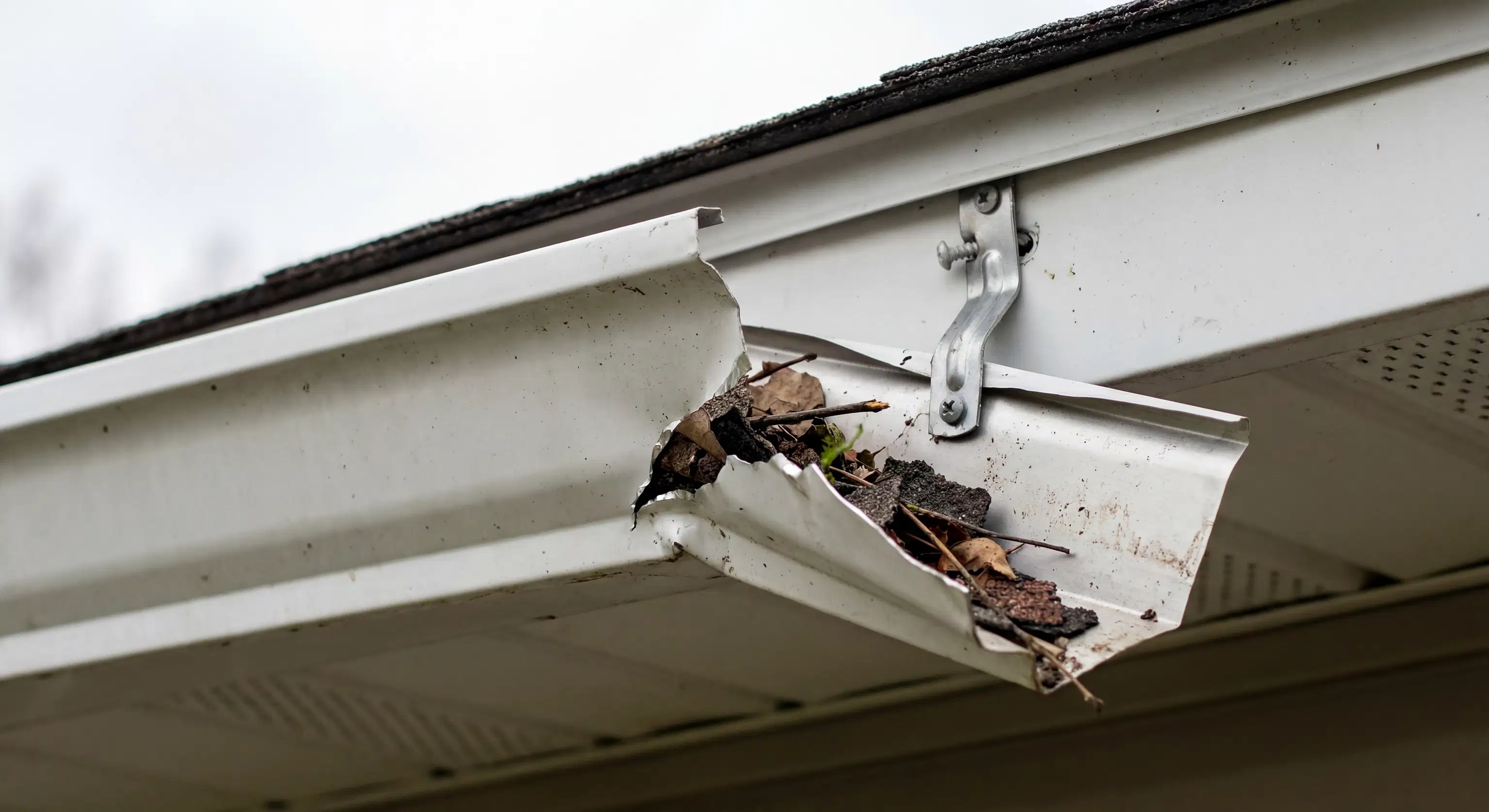
- Gutters sagging or separating from the roof edge
- Dripping from the middle of a seamless run
- Standing water remaining after the rain ends
- Eroded soil or mulch directly beneath an eave
- Loose fasteners, open corners, or separated end caps
- Damp attic sheathing near the lower roof edge
- Ceiling stains that grow after wind-driven rain
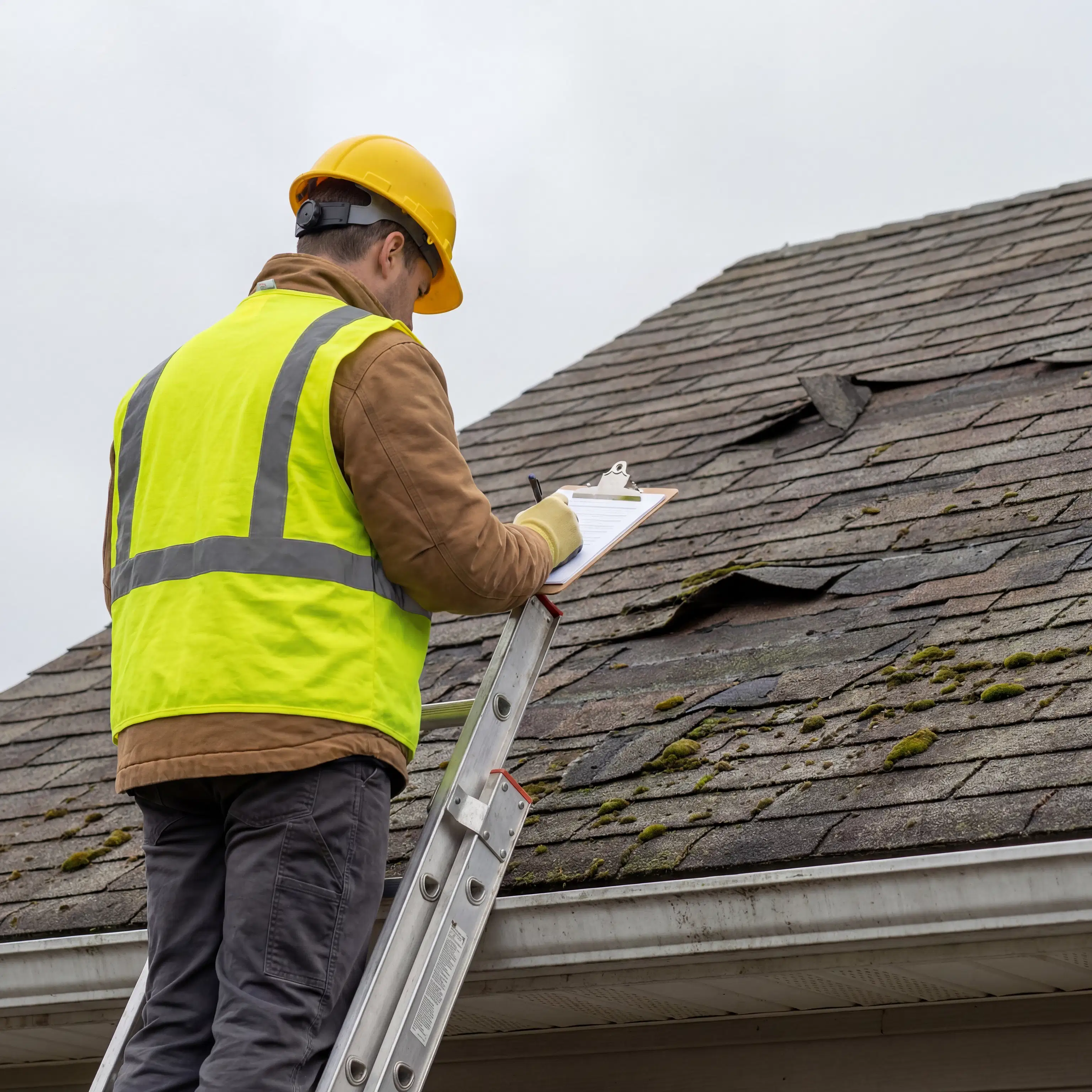
Overflow does not always mean the gutters need replacement. Cleaning an obstruction, adding an outlet, correcting the slope, or repairing a damaged section may solve the issue. If moisture has already reached the roofing assembly, however, roof-damage repair may be needed to address deteriorated fascia, decking, flashing, or shingles.
A ceiling stain also should not be assumed to come from the nearest gutter. Wind-driven rain, damaged shingles, flashing failures, and plumbing can produce similar symptoms. A targeted roof-leak inspection and repair helps identify the entry point before cosmetic interior work begins.
Choosing a Gutter and Roofing Professional
After major storms, homeowners may receive fast offers from unfamiliar contractors. Take time to verify Florida licensing and insurance, review local references, and ask who will perform the work. A trustworthy professional should explain the available options without pressure and clearly compare cost, expected longevity, and the value of repairing versus replacing components.
Ask these questions before approving the project:
- How was the required gutter capacity determined?
- Will the roof edge, fascia, soffit, and drip edge be inspected first?
- How many downspouts are planned, and where will they discharge?
- What workmanship and material warranties apply?
- How will afternoon thunderstorms affect scheduling and communication?
- Are roof-edge repairs included, or quoted separately if hidden damage is found?
This careful approach is especially important as Florida insurers pay closer attention to roof age and condition. Gutters do not extend an insurance policy or replace code-compliant roofing work, but effective drainage and documented maintenance can help prevent avoidable deterioration.
Protect the Edge to Protect the Roof
Seamless gutters reduce leak-prone joints, direct heavy runoff, and help keep fascia and soffits dry. Their performance still depends on correct sizing, secure attachment, sufficient downspouts, routine cleaning, and a sound roof edge.
If you notice overflowing gutters, fascia stains, sagging sections, or an interior water spot, Denali Roofing can evaluate the full drainage path rather than treating only the visible symptom. Contact Denali Roofing to discuss Gutter Installation, Gutter Maintenance, Roof Repair, Roof Damage Repair, or Roof Leak service for your property in the Tri-County Area.