
Identifying Hidden Wind Damage on Shingle Roofs
If you live in Orlando, you are no stranger to intense weather. Between the predictable 3 PM downpour during the summer and the intense systems that roll through during hurricane season, our homes take a significant beating. While missing shingles or large branches resting on your house are obvious signs of trouble, some of the most severe weather impacts are practically invisible from the ground.
Wind damage on asphalt shingle roofs is notoriously stealthy. High-velocity gusts don't always tear materials completely off your house; instead, they often cause subtle, hidden disruptions that compromise your home's waterproofing. Over time, these small vulnerabilities can lead to major water intrusion, rotting decking, and damaged insulation. Knowing how to identify these subtle signs early can save you from costly interior damage and complex insurance headaches down the road.
The Silent Threat: How Wind Uplift Works
To understand hidden damage, it helps to understand how wind interacts with your house. When strong winds hit the exterior walls, the air is forced upward and over the roof line. This creates a vacuum effect, or negative pressure, right above the shingles. This suction literally pulls upward on the materials—a phenomenon known as wind uplift.
Over the years, asphalt shingles are exposed to extreme heat which bakes the factory-applied adhesive strips. When severe wind uplift occurs, it can break this adhesive seal. Once the seal is broken, the shingle is loose. Evaluating storm wind damage on asphalt roofs often requires getting up close because a shingle that has been lifted and dropped back down by the wind might look perfectly normal from your driveway. However, the next time it rains, water can easily blow underneath that unsealed flap, bypassing your primary defense layer.
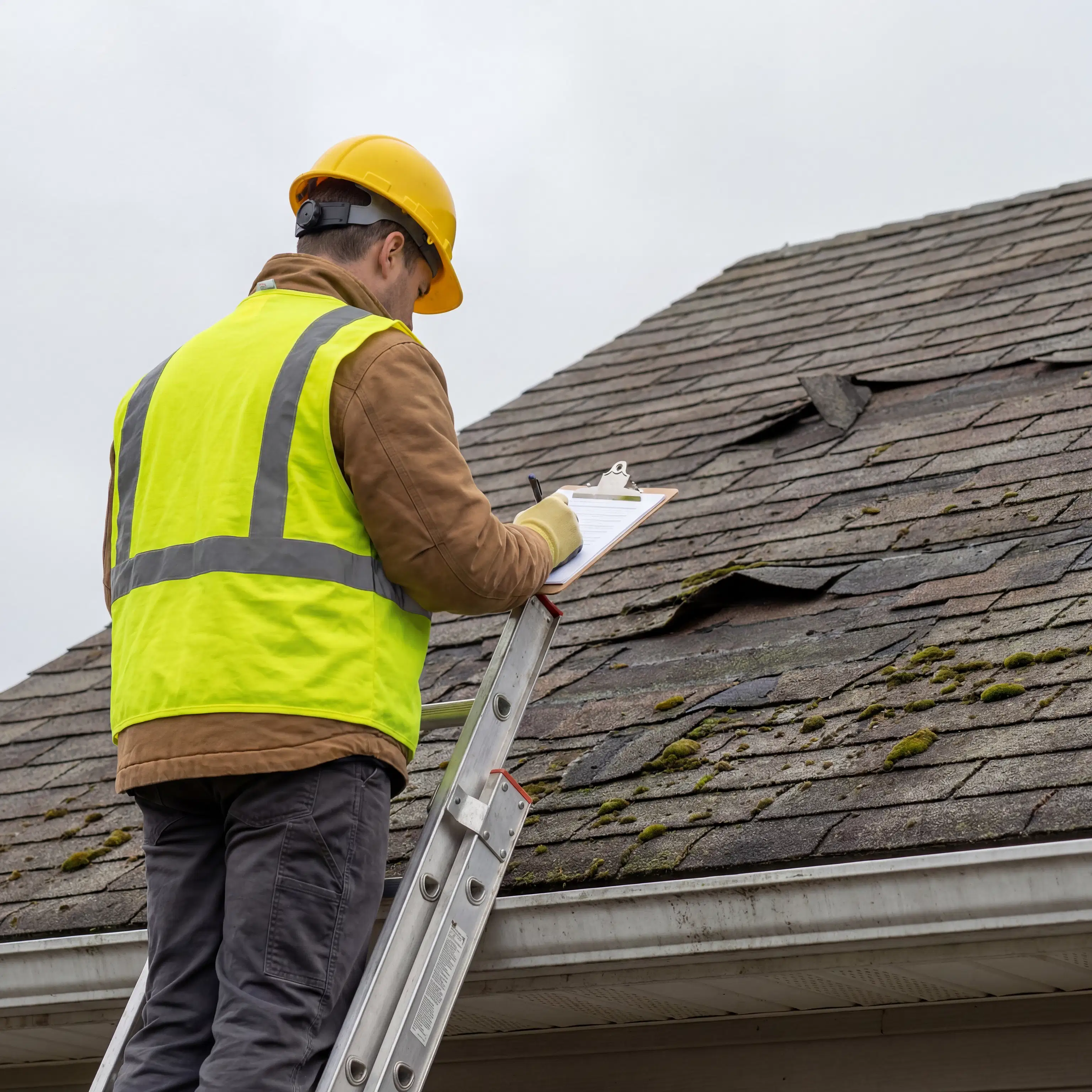
One of the most critical steps in evaluating your home's safety is knowing how to identify unsealed shingles after storms. If you notice horizontal lines cutting across the top third of your shingles, or if the shingles look slightly slightly misaligned or lifted at the corners, the seals have likely been compromised. Because getting on a roof can be dangerous, it is usually best to have a professional conduct a thorough roof repair for storm & wind damage evaluation.
Creased Shingles and the Repair vs. Replace Dilemma
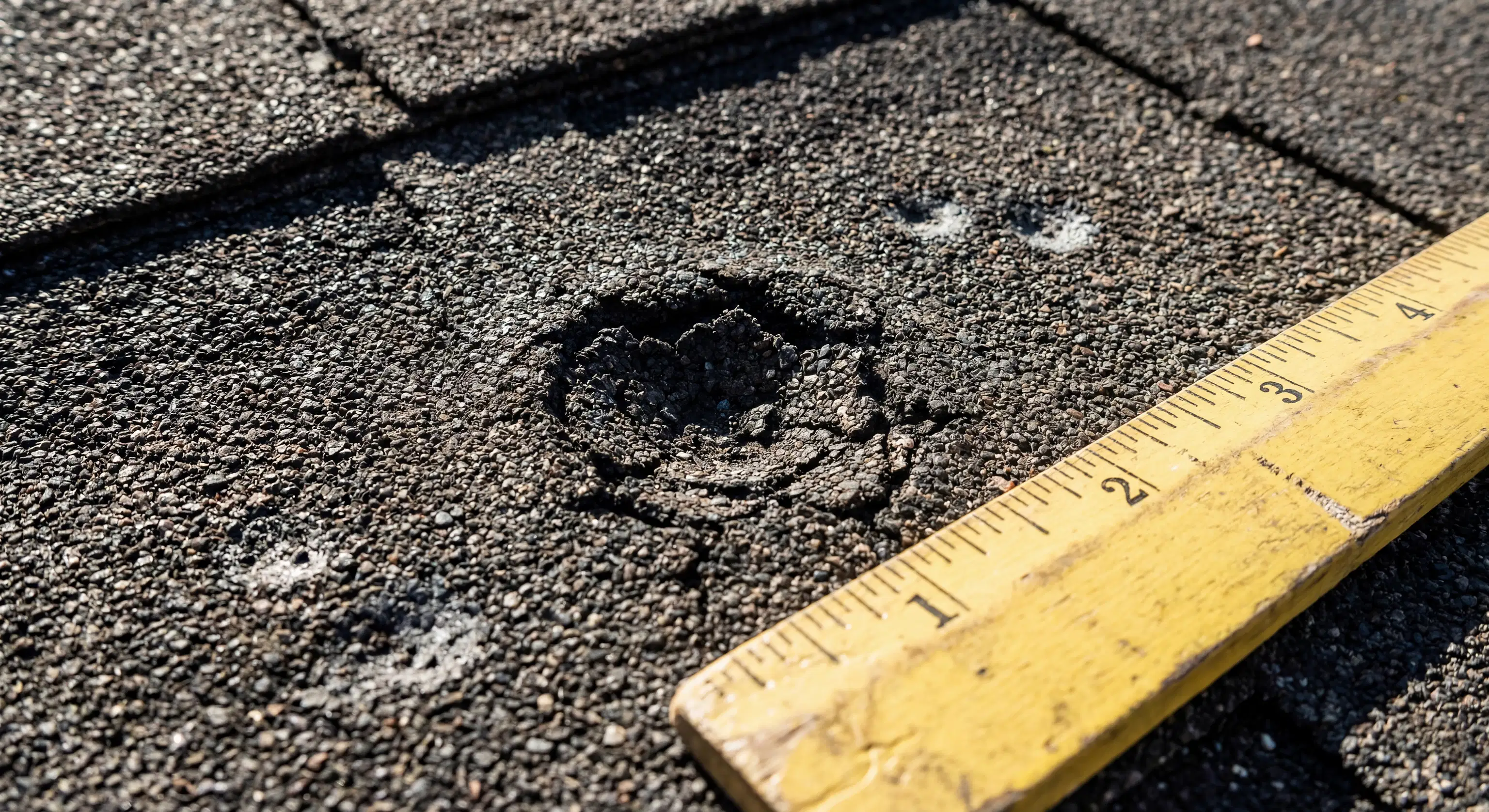
When a shingle's seal is broken and the wind bends it backward, the asphalt fiberglass matting inside the shingle cracks. When the shingle lays back flat, it leaves behind a distinct, dark line known as a crease. The granules fall off along this fold, leaving the shingle highly vulnerable to UV rays and future water intrusion.
This brings up a common question for homeowners: is creased shingle repair versus replacement a better route? If you only have a few randomly dispersed creased shingles, localized roof repairs are often entirely feasible. A technician can carefully remove the damaged shingles and weave in new ones. However, if the wind damage is widespread, or if the surrounding shingles are too old and brittle to handle the physical manipulation required for a repair, a full replacement might be necessary.
Unfortunately, major weather events in CFL often attract out-of-state storm chasers who canvas neighborhoods, aggressively pushing for full replacements regardless of the actual condition of the roof. This high-pressure environment makes it difficult for homeowners to know who to trust. At Denali Roofing, our philosophy is different. We believe in presenting our neighbors with clear, honest options. We will lay out the exact value, costs, and expected longevity of a repair versus a replacement, allowing you to make an informed decision without any pressure.

Navigating Florida Homeowners Insurance
One of the biggest concerns homeowners have after a storm is whether their insurance will cover the damage. The Florida property insurance market is currently highly complex. Evolving legislation and strict underwriting guidelines mean that insurance companies are paying closer attention to the age and condition of roofs than ever before.
If your roof has documented, sudden wind damage from a storm, insurance policies typically cover the repairs or replacement, minus your deductible. However, if your roof is older (typically 10 to 15 years), some carriers might push back, citing age and wear-and-tear rather than storm damage. This is why having a reputable, local contractor properly document the signs of wind uplift roof damage is so crucial.
Furthermore, if a replacement is necessary, Orange County building codes require strict adherence to wind mitigation standards. By installing modern, hurricane-resistant materials and secondary water barriers, you not only protect your home but may also qualify for significant reductions in your annual insurance premiums.
Protecting Your Home Moving Forward
Identifying hidden wind damage early is the key to preserving the structural integrity of your home. We heavily emphasize to our customers the importance of proactive maintenance. Keeping your roof and gutters clear of leaves and debris ensures proper water drainage, which prevents standing water from exploiting those tiny, wind-created vulnerabilities.
To help you stay ahead of the weather, Denali Roofing offers complimentary yearly inspections. We check for broken seals, creased shingles, and minor wear-and-tear so we can address small issues before they become major interior leaks.
If you suspect recent weather has taken a toll on your home, or if you simply want the peace of mind that comes with a clean bill of health for your roof, reach out to the experts who know The Tri-County Area best. Contact Denali Roofing today to schedule your comprehensive roof evaluation.