
Post Hurricane Season Roof Inspection Checklist: Protecting Your Home
Living in Florida means learning to adapt to the rhythm of the weather. For months, we brace ourselves against high winds, driving rains, and the ever-present threat of severe storms. But once hurricane season finally begins to wind down, a collective sigh of relief sweeps across the state. While it is tempting to simply move on and enjoy the cooler weather, this transition period is actually the most critical time for your home's exterior.
The intense weather of the rainy season takes a significant toll on your property, often leaving behind subtle wear and tear that isn't visible from the ground. At Denali Roofing, based right here in Chuluota, we know firsthand that the storms may have passed, but their effects can linger. Ignoring these hidden issues can lead to unexpected interior leaks, expensive structural issues, and immense frustration down the line.
Now is the perfect time to evaluate your property. Getting a comprehensive assessment from local professionals helps ensure your home remains secure, energy-efficient, and ready for whatever the next season brings. This guide will walk you through exactly what to look for and why an end-of-season evaluation is a crucial part of responsible homeownership.
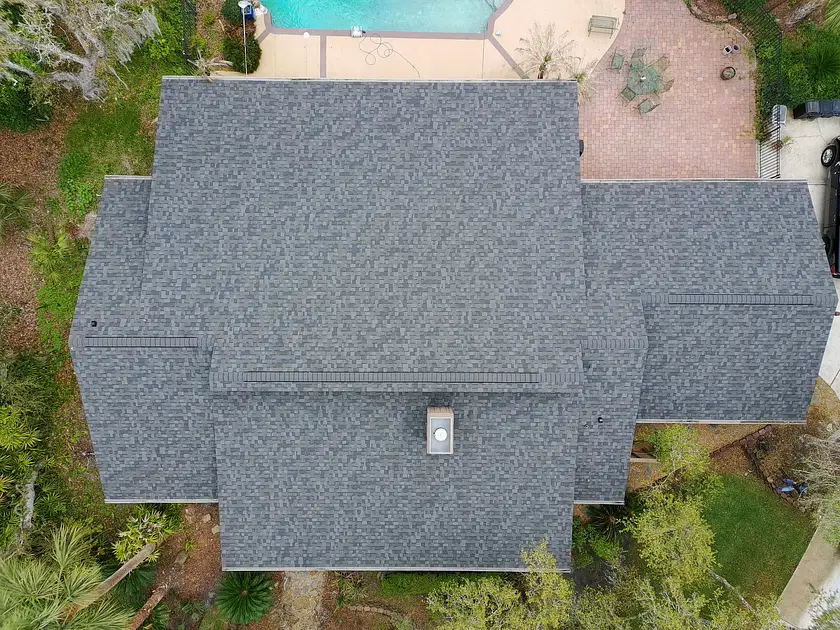
Why Wait Until the Storms Have Passed?
It might seem counterintuitive to wait until the weather clears to think about the health of your overhead structure. However, conducting a thorough check immediately after a major weather event can sometimes be premature. Secondary storm bands and late-season weather can cause additional strain. By waiting until the weather truly stabilizes, you can confidently address all accumulated wear and tear at once.
Another significant advantage of waiting is avoiding the chaotic rush of out-of-state storm chasers. After a major weather event, it is common for saturated markets to be flooded with high-pressure salespeople who knock on doors promising impossibly fast fixes. These temporary outfits often do not understand local municipal building permit requirements and disappear long before any warranty issues arise.
Working with established, local roofing companies ensures you are partnering with a team that understands the specific challenges of our climate. We know the strict codes required to withstand our unique weather patterns, and more importantly, we remain in the community year-round to stand behind our workmanship.
Identifying Minor Roof Damage Before Winter
Even if a storm didn't blow massive holes in your home's exterior, high winds can lift shingles just enough to break their protective seal. When this happens, water driven by subsequent storms can slowly seep into your underlayment.
Many homeowners ask us, "What are the signs that my roof needs to be replaced instead of repaired?" While a few lifted shingles often just require targeted roofing repair, widespread granule loss, deep structural sagging, or a system that has simply aged out of its typical 15 to 20-year lifespan may necessitate a full replacement.
Catching these issues early is vital. By identifying minor roof damage before winter, you prevent these small vulnerabilities from turning into major interior disasters while you are hosting family for the holidays or when snowbirds arrive to rent out nearby seasonal properties.
This is why Denali Roofing strongly advocates for proactive care. We offer a complimentary yearly inspection to our community. This allows us to catch and address minor issues proactively, providing you with a clear, upfront evaluation without any high-pressure sales tactics. We clearly lay out the value, costs, and longevity of your options, leaving the final decision entirely in your hands.
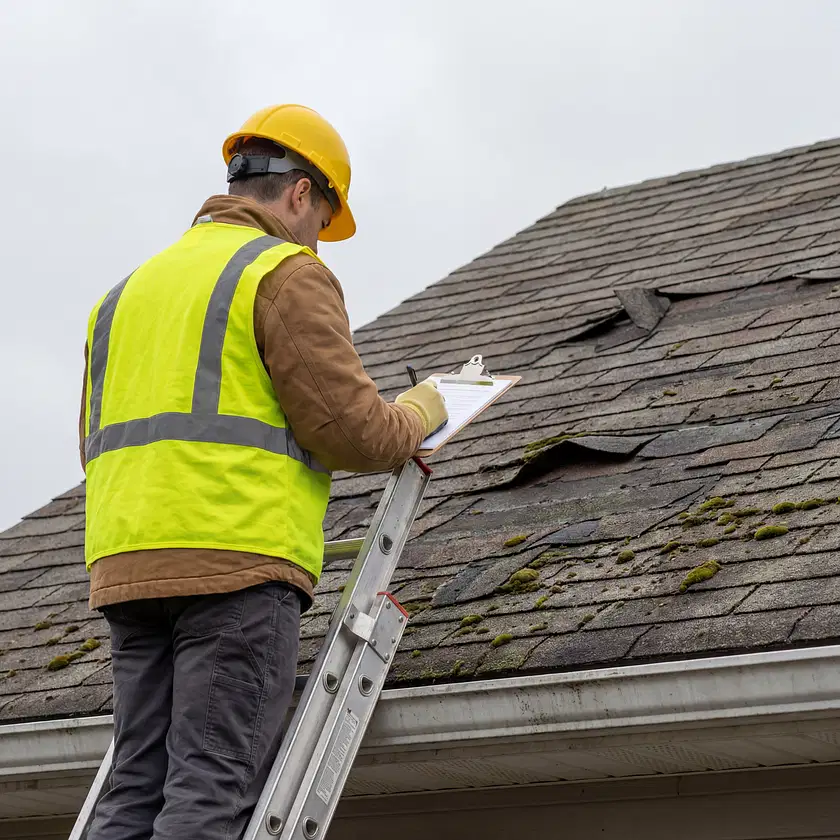
Your Post Hurricane Season Roof Inspection Checklist
If you want to do a preliminary walk-around of your property before calling in the professionals for a comprehensive roof inspection, here is a helpful post hurricane season roof inspection checklist to guide you:
- Check for Missing or Damaged Materials: Use a pair of binoculars to scan for missing, cracked, or curling shingles. Look closely at the edges and ridges, as these areas take the brunt of the wind force.
- Examine the Flashing: Flashing is the metal material installed around vents, skylights, and chimneys to direct water away from seams. High winds can bend or lift flashing, creating an easy entry point for water.
- Look for Granule Build-Up: Asphalt shingles are coated in tiny granules that protect them from UV rays and add weight. Heavy rains often wash loose granules away. If you notice a heavy accumulation of granules at the bottom of your downspouts, your shingles may be deteriorating rapidly.
- Inspect Your Soffits and Fascia: The boards running along the lower edge of your roof are highly susceptible to wind-driven rain. Look for peeling paint, soft spots, or signs of rot.
- Check the Attic: Go into your attic during the day and look up. If you see daylight peeking through the boards, or if you notice dark water stains, you likely have a breach that needs immediate attention.
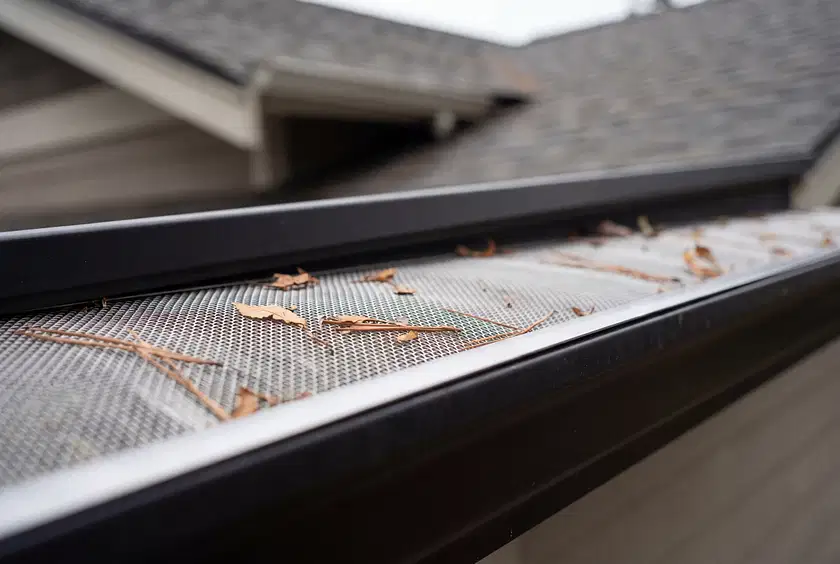
Checking Roof and Gutters After Storm Season
One of the most frequently overlooked aspects of post-storm care is the drainage system. Checking roof and gutters after storm season is just as important as inspecting the shingles themselves. During intense weather, leaves, twigs, and debris are blown aggressively across your property, inevitably finding their way into your gutters.
When your drainage system becomes clogged, water has nowhere to go. During the next heavy downpour, water can back up under your shingles and flow into your soffits or down the side of your home, potentially flooding your Florida room or damaging the screens around your lanai. Routine gutter maintenance ensures that water is safely channeled away from your foundation and exterior walls.
Proper drainage is also your first line of defense against interior leaks. When water begins to pool due to clogged gutters or damaged flashing, it eventually finds its way inside. If you have noticed small water spots on your ceiling, it is crucial to schedule a professional assessment. Addressing these leaks promptly with expert roof damage repair stops the progression of rot, mold, and structural decay inside your living spaces.
Moving Forward with Confidence
Navigating the aftermath of severe weather can be stressful, especially when balancing concerns about roofing cost, insurance deductibles, and finding reliable roofing services. We frequently answer questions from homeowners wondering if their insurance will cover storm damage. The truth is, documenting the state of your property immediately after the season ends with a professional assessment provides you with the detailed evidence you need if you do have to file a claim.
Whether you need a minor repair to secure a few loose shingles, or you suspect it might be time for a full replacement, having accurate, honest information is the best tool at your disposal. Denali Roofing is dedicated to helping our neighbors protect their biggest investments with transparent pricing, exceptional workmanship, and reliable warranties.
Don't let hidden storm damage catch you off guard this winter. Take advantage of our complimentary yearly assessment and gain peace of mind knowing your home is secure. Contact Denali Roofing today to schedule your evaluation and let our local experts ensure your home is ready for the beautiful months ahead.