Preventing Flat Roof Ponding During Summer Storms
If you manage a commercial property in Orlando, you are likely all too familiar with the daily 3 PM downpour during the summer months. While these intense, predictable rainstorms bring a brief respite from the intense heat, they also dump massive amounts of water onto your building in a matter of minutes. For properties with flat roofing systems, this sudden deluge can lead to a serious and often overlooked issue: ponding water.
When water fails to drain properly and sits on your roof for more than 48 hours, it stops being just a harmless puddle and becomes a significant threat to your building's structural integrity. At Denali Roofing, we have seen firsthand how a lack of proper drainage can turn a minor maintenance task into a major interior repair project. Let's explore why ponding happens, the hidden risks it poses to your business, and how you can proactively protect your commercial investment from the elements.
Why Ponding Water is a Threat to Your Commercial Building
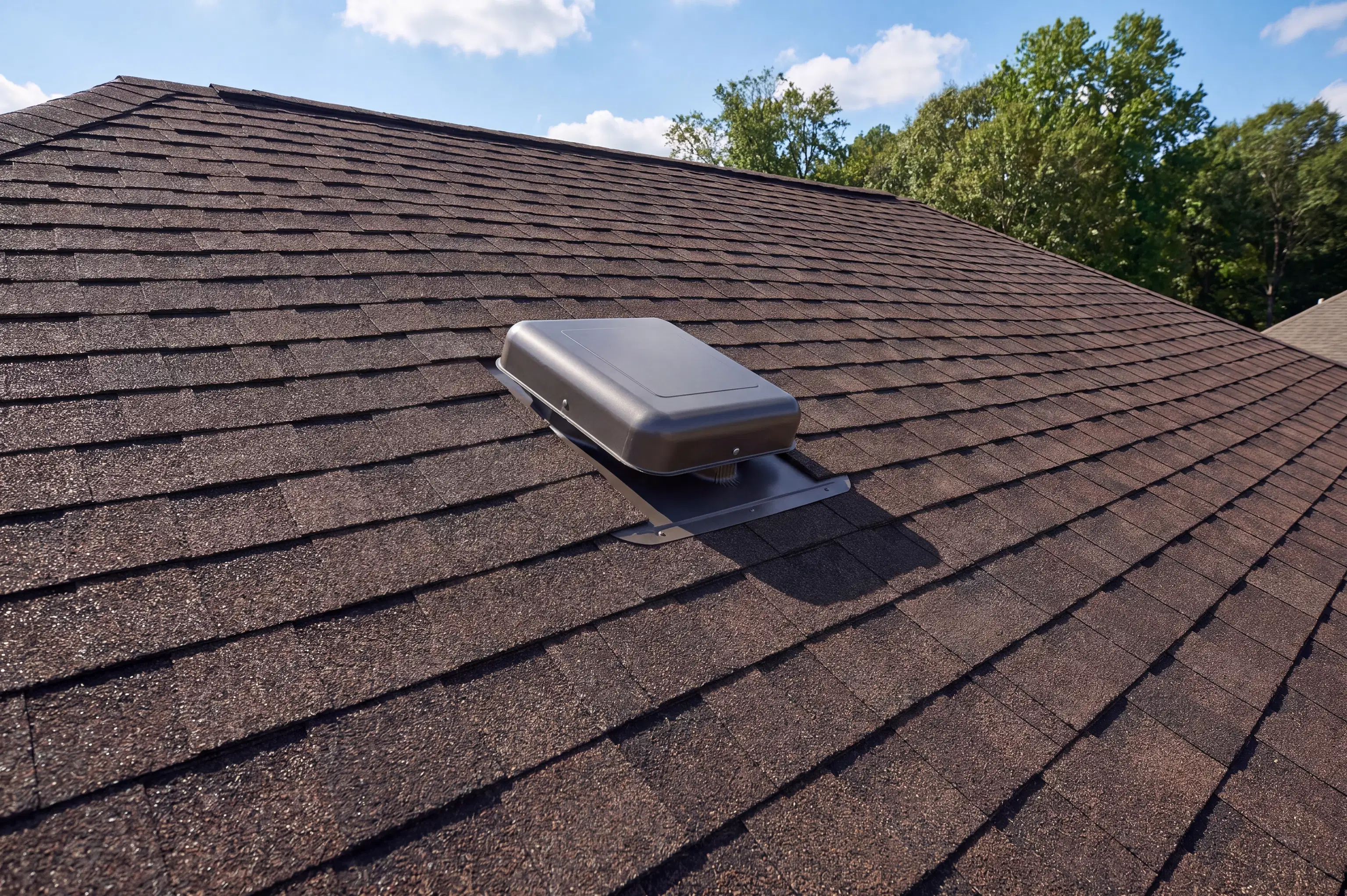
A flat roof isn't actually perfectly flat; it is meticulously designed with a slight pitch to direct rainwater toward drains, scuppers, and gutters. However, over time, building settling, heavy foot traffic from HVAC technicians, or degraded underlying insulation can create low spots where water naturally collects and stagnates.
The most immediate danger of standing water is the sheer weight. Water is incredibly heavy, and when it pools in one concentrated area, it adds immense stress to the roof deck and the underlying support structure. Over time, this constant weight can deepen the depression, causing even more water to collect during the next storm cycle.
Furthermore, standing water acts like a magnifying glass under the intense CFL sun, accelerating the breakdown of roofing membranes. This degradation eventually leads to micro-tears and leaks, which can disrupt your daily business operations, damage inventory, and lead to costly interior repairs. If you are in the planning stages of a commercial project, ensuring proper slope and drainage design from day one is absolutely critical to maximizing the longevity of the roof.
Proactive Steps to Keep Your Roof Draining Properly
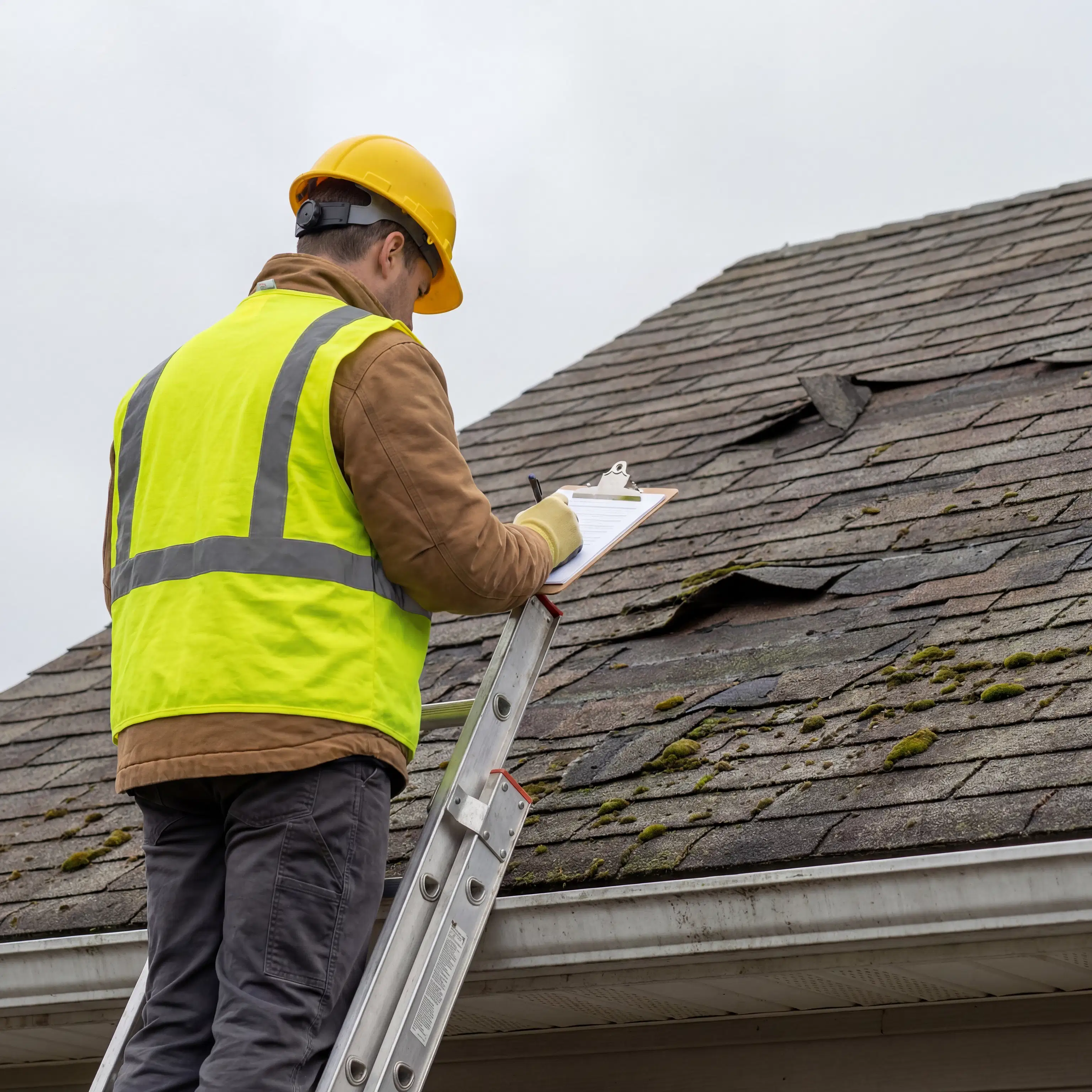
The most effective way to prevent water accumulation is through consistent, proactive maintenance. The impact of debris on flat roof lifespan cannot be overstated. Leaves, palm fronds, branches, and dirt can quickly clog commercial roof drains and scuppers, acting like a dam that traps rainwater on your roof.
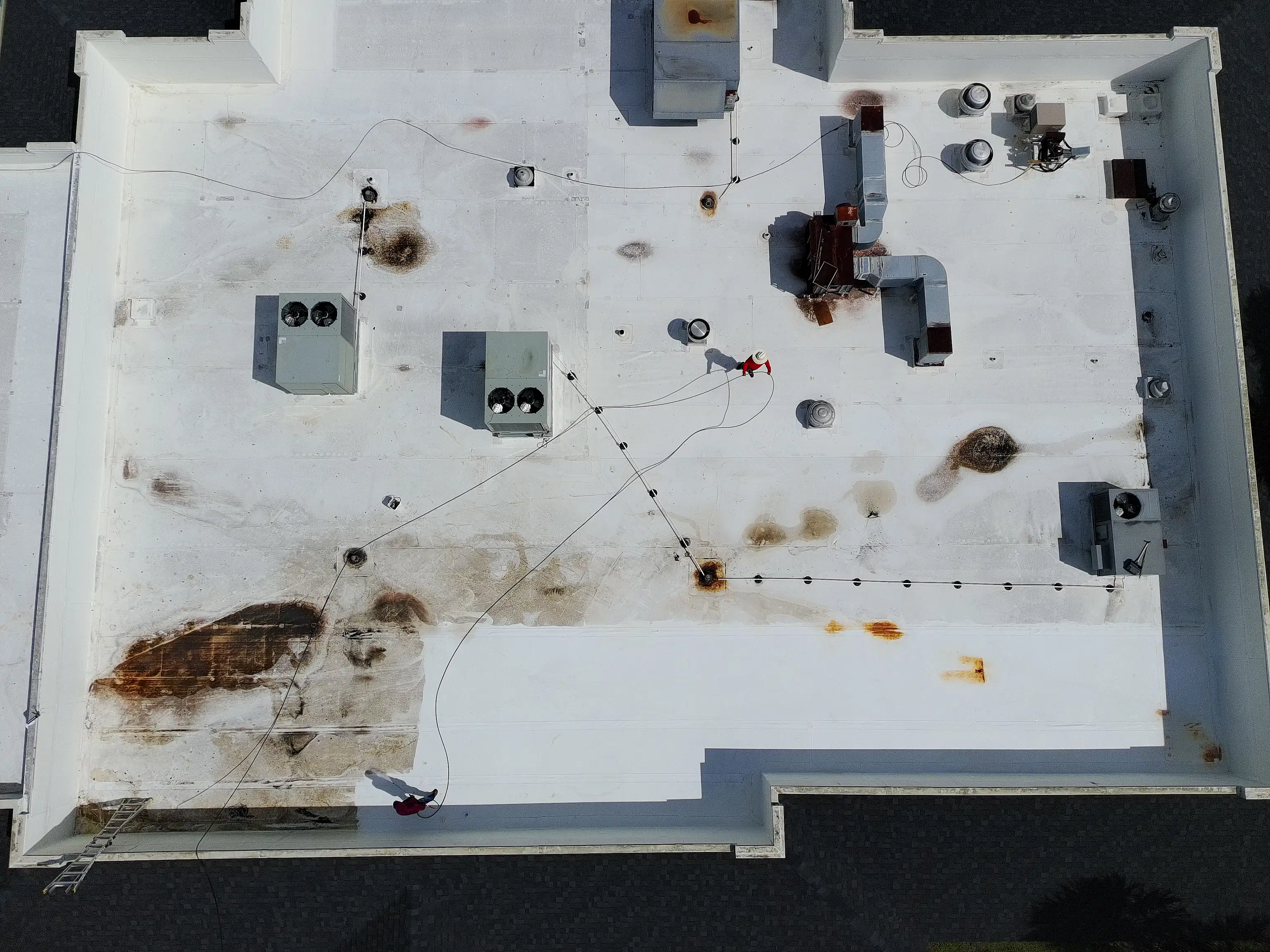
One of the most common signs of commercial roof drainage failure is a visible water line, discoloration, or a mud ring left behind after a puddle finally evaporates. If you notice these rings during a visual inspection, it means water is sitting far longer than the acceptable 48-hour window.
To combat this, we strongly emphasize the importance of keeping the roof and gutters completely clear of debris. Routine gutter maintenance ensures that when those heavy afternoon storms hit, the water has a clear, unobstructed path off your building. Clearing commercial roof drains and scuppers should be a standard part of your facility's seasonal preparation, especially right before hurricane season begins.
Upgrading to Resilient Materials and Modern Technology
Sometimes, chronic ponding is a sign that the roofing system itself has reached the end of its lifespan and needs an upgrade. Preventing ponding water on TPO roofs is often easier because these single-ply membranes are highly durable, heat-reflective, and can be installed with tapered insulation to create a flawless, customized slope that forces water toward the drains.
If your current system is constantly battling standing water, transitioning to a commercial TPO system might be the most cost-effective long-term solution. TPO is specifically engineered to withstand the harsh UV rays and heavy rains we experience locally, while also providing excellent energy efficiency by reflecting heat away from your building.
Additionally, modern roofing technology has revolutionized how we diagnose drainage issues on a flat roof. Using drone-based aerial imaging and 3D roof modeling, we can safely and accurately assess the pitch of your roof, identify low spots, and map out the most efficient drainage solutions. This technology allows us to provide rapid, highly accurate estimates and detailed visual reports, which are incredibly helpful if you ever need to navigate complex insurance claims.
Protect Your Investment Before the Next Storm
Navigating property maintenance and insurance requirements can be stressful, especially with the strict building codes and evolving property insurance landscape in Florida. Insurers are increasingly scrutinizing roof conditions, making proactive care more important than ever to maintain your coverage and protect your bottom line.
At Denali Roofing, we believe in helping you stay ahead of these challenges. That is why we offer a complimentary yearly inspection to address minor issues proactively, before they turn into major leaks or structural problems. When we assess your property, we will clearly lay out the value, costs, and longevity of any necessary repairs, allowing you to make an informed decision without any high-pressure sales tactics.
If you are concerned about how your commercial building is handling the weather across the Tri-County Area, do not wait for a leak to disrupt your business operations. Contact us today to schedule your complimentary inspection and ensure your roof is ready for whatever the season brings.