
Signs Your Roof Flashing Needs Repair
When the afternoon skies darken and the Rainy Season rolls into Central Florida, your home’s weather defenses are put to the ultimate test. Most homeowners look at their shingles or tiles to gauge the health of their roof, but one of the most critical components for keeping water out is often overlooked: the roof flashing. Flashing is the thin metal material installed to direct water away from critical areas of the roof, such as valleys, chimneys, skylights, and vertical walls. When it fails, water easily finds a way inside your living space.
Understanding the early signs of deteriorating roof flashing can save you from costly interior water damage and help you determine when a simple, targeted fix is needed versus a larger restoration project.
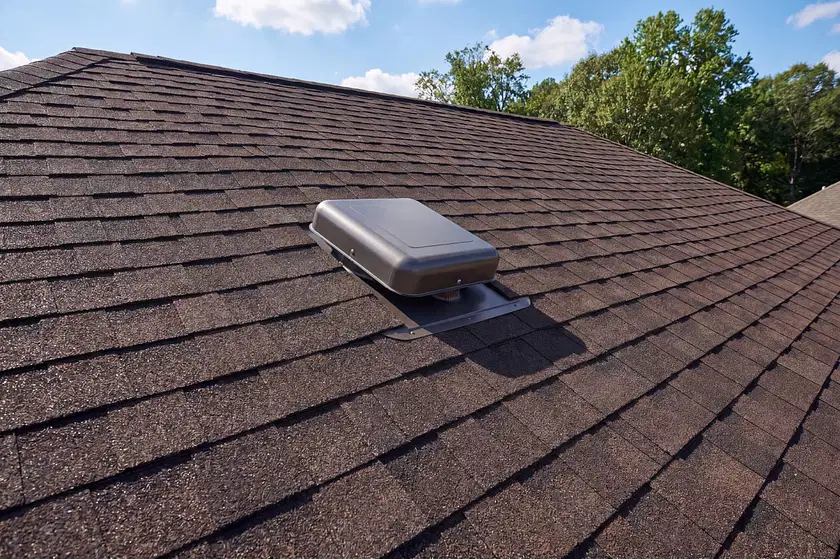
How to Spot Deteriorating Roof Flashing
The tricky thing about flashing is that it often degrades before the rest of your roofing materials. Because it sits in the most vulnerable joints and intersections of your home's structure, it bears the brunt of heavy rainfall and high winds. So, what are the visual cues that your flashing is compromised?
First, you might notice visible rust or corrosion. While modern flashing is often galvanized or made from rust-resistant metals, older homes or those exposed to salty coastal air might experience oxidation over time. If you can safely see rusty, pitted, or discolored metal around your vents or skylights, the material is likely weakening.
Another clear indicator is missing, bent, or pulling metal. Strong gusts of wind can easily lift flashing that wasn't properly secured or has come loose over the years. If the metal looks warped or if the sealant binding it to the shingles appears cracked, peeling, or completely gone, water can easily slip beneath the protective layers.
If you are trying to figure out how to find a roof flashing leak, the evidence usually presents itself inside your home before it becomes obvious on the exterior. Keep an eye out for brown water stains on your ceiling, particularly near the fireplace, skylights, or the edges of rooms that border an exterior wall. You might also notice peeling paint, damp drywall, or a musty smell in your attic. Because water travels along the path of least resistance, a leak that starts at a compromised piece of flashing can run down rafters and drip several feet away from the actual source, making professional diagnosis crucial.
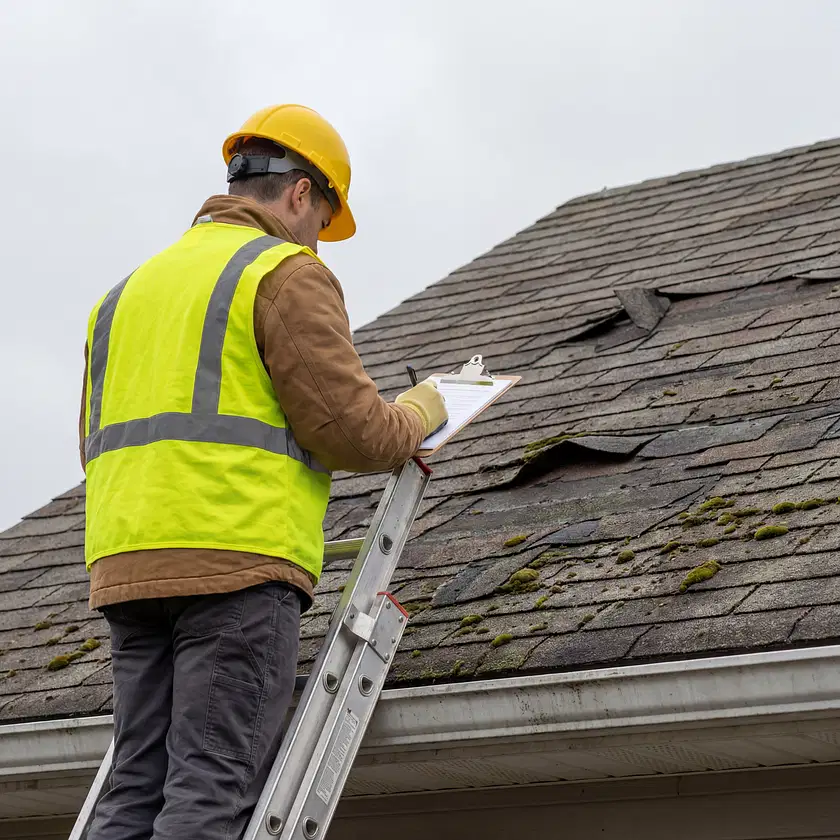
Step Flashing Repair on Shingle Roofs
One of the most common issues we see involves step flashing. Step flashing is a series of L-shaped metal pieces woven directly into the shingle layers where the roof meets a vertical wall, like a dormer or second story. When installed correctly, it directs water cascading down the wall safely over the shingles. However, if a single piece of step flashing is damaged or installed improperly, water will bypass the gutter system entirely and seep right into the wall cavity.
Step flashing repair on shingle roofs is delicate work. It usually requires carefully lifting or removing the surrounding shingles to replace the damaged metal without compromising the rest of the waterproof barrier. This is why attempting a DIY patch with roofing cement is rarely a permanent solution—it might stop the leak for a few weeks, but the harsh Florida sun will quickly dry out and crack the sealant, putting you right back where you started.
Finding reliable roofing services to handle these nuanced repairs can be stressful, especially when navigating a saturated market filled with out-of-state storm chasers who sweep in after severe weather. It is important to work with a local team that understands the specific building codes and weather challenges of our area. When evaluating roofing companies, pay close attention to how they present your options. A reputable contractor will use modern technology—like drone inspections and digital photography—to show you exactly what is wrong. They should clearly explain the value and longevity of the proposed solutions, allowing you to make an informed decision without enduring a high-pressure sales pitch.
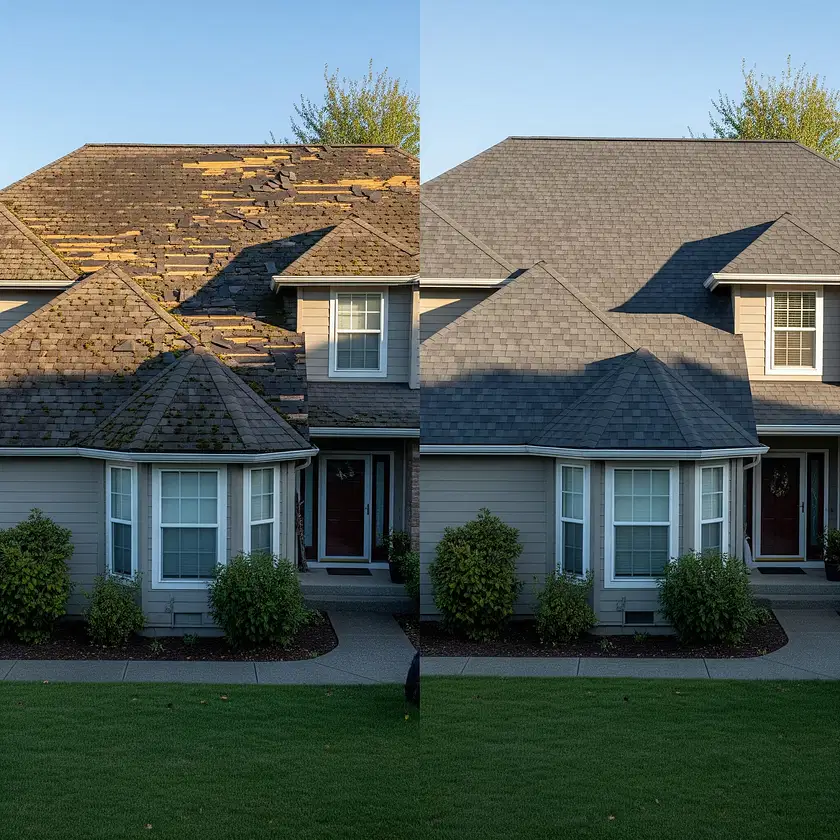
Proactive Maintenance and Long-Term Protection
It is always better to catch flashing issues before they escalate into major leaks. One of the best ways to extend the life of your roof is by scheduling proactive check-ups. At Denali Roofing, we believe in helping our neighbors protect their investments, which is why we offer a complimentary yearly inspection. This allows our experts to evaluate the condition of your flashing, check for early signs of wear, and address minor vulnerabilities before they turn into emergency situations.
During these inspections, we also check the surrounding environment. Keeping your roof and gutters completely clear of debris, like fallen leaves and branches, is essential for proper water drainage. When gutters back up, standing water can pool against your roof edges and rot the wood beneath your flashing. Routine maintenance is a simple step that significantly reduces the overall roofing cost you might incur over the lifespan of your home.
If you suspect your home has sustained damage during the latest storm, or if you simply want the peace of mind that comes with a professional evaluation before Hurricane Season reaches its peak, we are here to help. From targeted roof repair to comprehensive roof damage repair, our team provides transparent, high-quality workmanship you can trust. Contact us today to schedule your complimentary inspection and keep your Orlando area home safe, dry, and secure for years to come.