
Strengthen Your Roof: A Homeowner's Guide to Wind Mitigation for Hurricane Season
Living in the Orlando area, we all know the routine. As summer approaches, so does the start of hurricane season. While we enjoy the sunshine and vibrant life in The City Beautiful, we also understand the importance of being prepared for severe weather. Your roof is your home's first line of defense against high winds and driving rain. But is it as strong as it could be? This is where wind mitigation comes in—a proactive approach to strengthening your home that can save you money, provide peace of mind, and, most importantly, help protect your family and your biggest investment.
What is Wind Mitigation and Why Does It Matter?
Simply put, wind mitigation involves making specific improvements to your home to help it better withstand strong winds. Think of it as reinforcing your home's armor before the battle. In Florida, these aren't just suggested upgrades; many are based on modern building codes designed to minimize property damage from hurricanes.
The benefits are twofold and significant for every homeowner:
- Enhanced Protection: A properly mitigated roof is less likely to suffer catastrophic failure during a storm. This means a lower risk of leaks, structural damage, and the costly repairs that follow. It’s about turning your home into a safer haven when the weather turns.
- Significant Insurance Savings: This is a major advantage. Most Florida insurance providers offer substantial discounts for homes with certified wind mitigation features. A one-time investment in strengthening your roof can lead to years of lower home insurance premiums. A wind mitigation inspection report is the key to unlocking these savings, verifying the protective features your home has.
By focusing on proactive measures, you gain control and avoid the frantic scramble for repairs after storm damage has already occurred. It’s the smartest way to manage your risk and protect your property's value.
Key Components of a Wind-Resistant Roof System
So, what exactly makes a roof ready for hurricane season? It’s not just about the shingles you can see. A truly resilient roof is a complete system where every component works together to resist wind uplift. Here are the critical areas a professional will assess:
- Roof Deck Attachment: The wooden boards that make up the foundation of your roof must be securely fastened to your trusses. Modern building codes specify the size and spacing of nails to prevent the deck from being peeled off by intense wind pressure.
- Roof-to-Wall Connection: This is how your roof is anchored to the rest of your house. In older homes, the roof might just be resting on the walls. Modern construction uses metal connectors, often called hurricane clips or straps, to create a continuous, secure load path from the roof to the foundation.
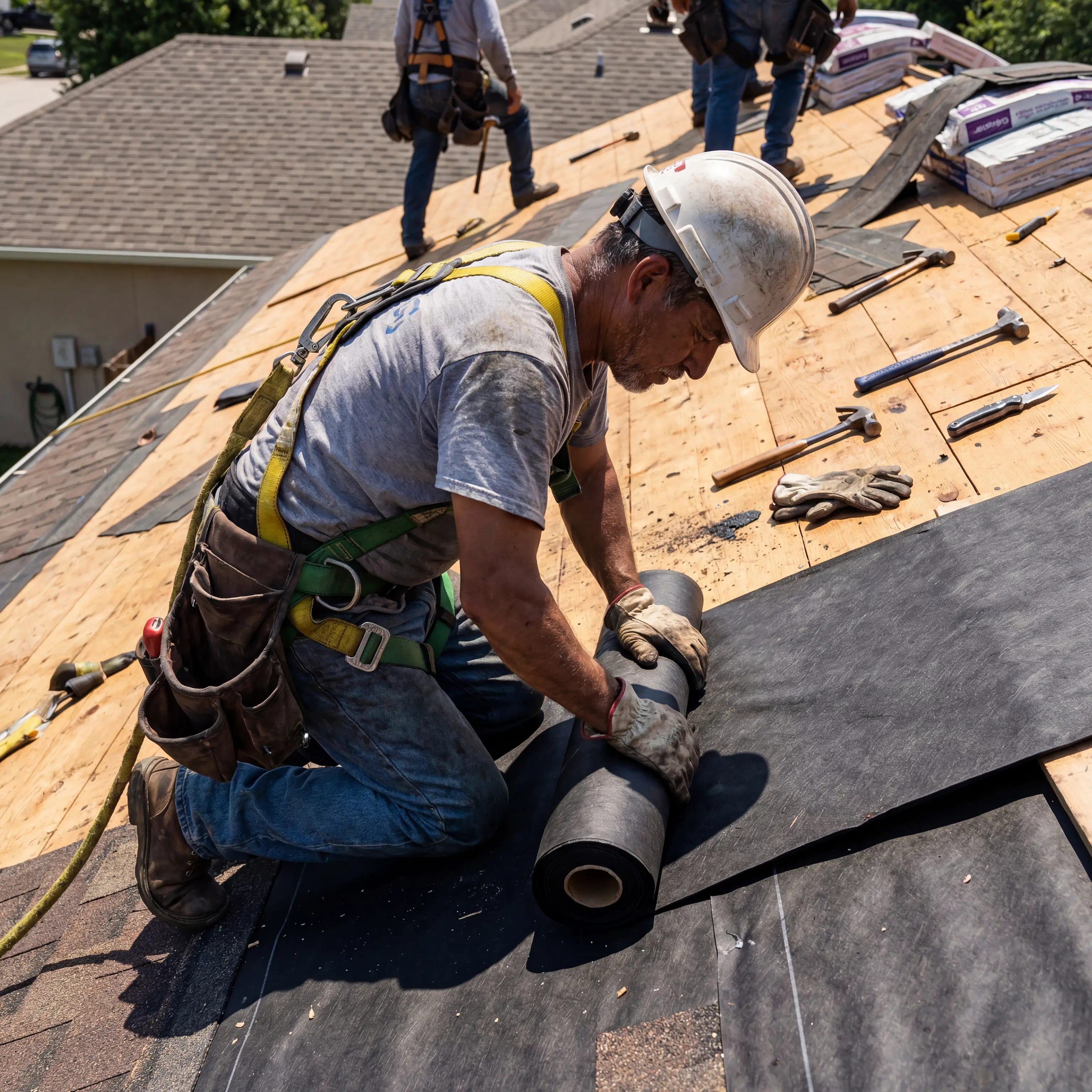
- Secondary Water Resistance (SWR): If high winds do manage to blow off some of your shingles, what happens next? An SWR is a special sealed underlayment applied to the roof deck. It acts as a crucial secondary barrier to prevent water from pouring into your home, even if the primary roof covering is compromised.
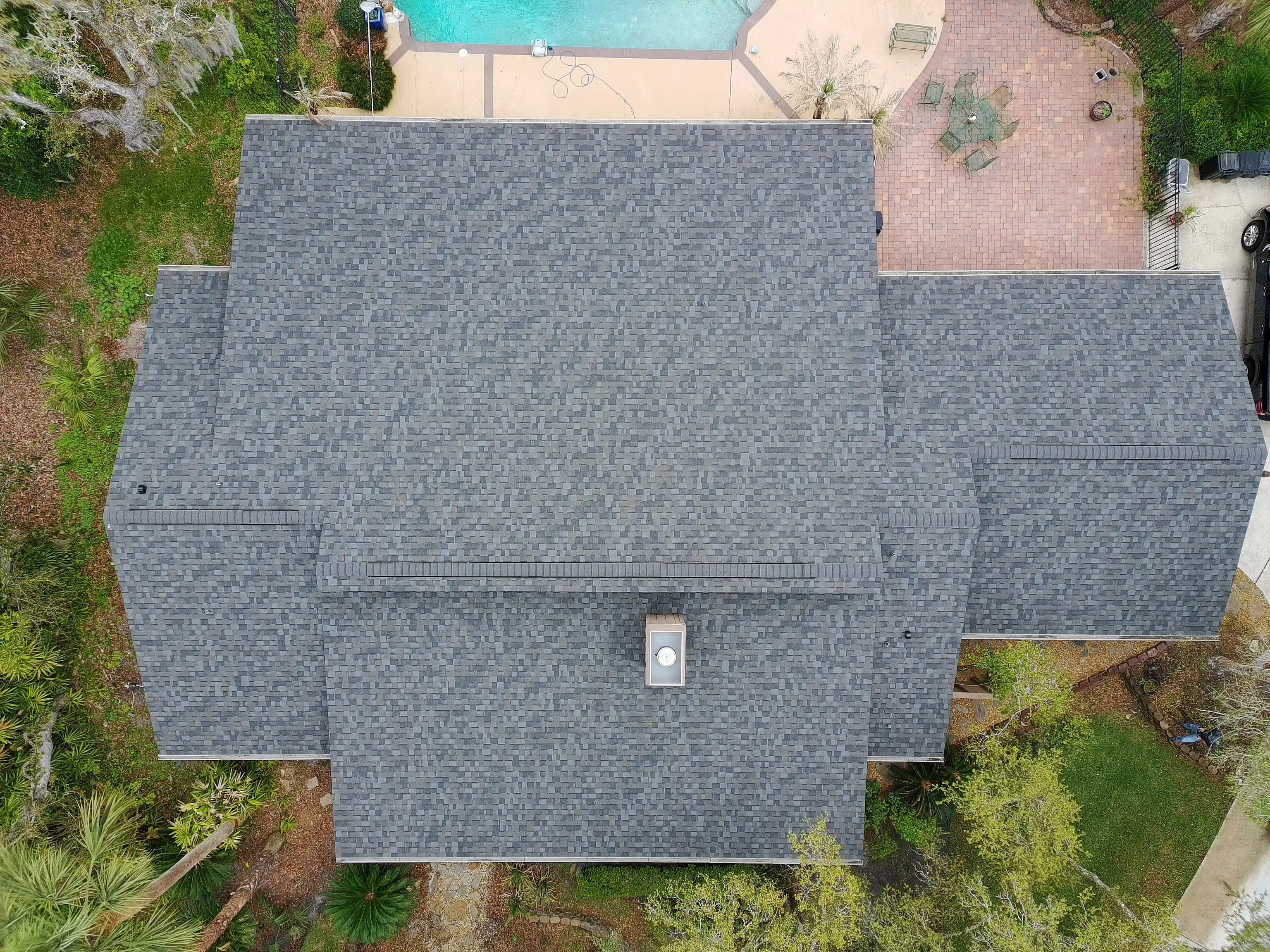
- Roof Covering: The type and installation quality of your shingles are paramount. Today’s architectural asphalt shingle roofs are designed with superior wind resistance and adhesion. Choosing materials rated for Florida’s high-wind zones is a critical part of any residential roofing project.
- Attic Venting: Proper attic venting is essential for the health and longevity of your roof in our hot, humid climate. It helps regulate temperature and moisture, preventing the premature deterioration of your roof's structure from the inside out.
Your First Step: A Professional Roof Inspection
Before you can make improvements, you need to know where you stand. The single most important step in preparing for hurricane season is scheduling a professional roof inspection. An experienced roofer can identify vulnerabilities that aren't visible from the ground. They’ll get into the attic to check the roof-to-wall connections and assess the nailing pattern of your roof deck. They will also examine the condition of your shingles, flashing, and underlayment to give you a complete picture of your roof's health.
We recommend homeowners in Florida have their roof inspected annually. This proactive approach allows you to catch small issues, like a few loose shingles or clogged gutters, before they become major problems during one of our famous afternoon showers or a more serious storm. At Denali Roofing, we believe in empowering homeowners with clear, honest information. We’ll walk you through our findings, explain your options, and help you prioritize any necessary upgrades or repairs without pressure.
Protect Your Home with Denali Roofing
Preparing for hurricane season doesn't have to be a source of anxiety. By taking proactive steps and focusing on wind mitigation, you can significantly increase your home's resilience and gain valuable peace of mind. Strengthening your roof is one of the most powerful investments you can make in the safety and security of your property.
Don't wait for the next storm warning. If you have questions about your roof's condition or want to explore wind mitigation options for your Orlando home, we're here to help. Contact Denali Roofing today to schedule a comprehensive roof inspection. Let our experienced team provide the expert guidance and quality workmanship you need to face any weather with confidence.